

-

Horizontal Rocker Switch: Make Left and Right Mean Something
A horizontal rocker switch can be very apparent on a drawing. Press left side for one state press right side for other state. Things begin to get confused after a few teams get in the mix. The electrical drawing puts the ON terminal on one side; the enclosure artwork puts the ON symbol on the ... Read more
Learn More -
Tact Switch Protect Guide: Stop Button Failures Early
A tact switch can last for thousands of times on the engineer's workbench, and fail early after the enclosure is built. This isn't often the only cause. A keycap is pressed at an angle, the housing permits excessive key travel, cleaning solution gets on the metal dome, or static electricity is transferred from users fingers ... Read more
Learn More -
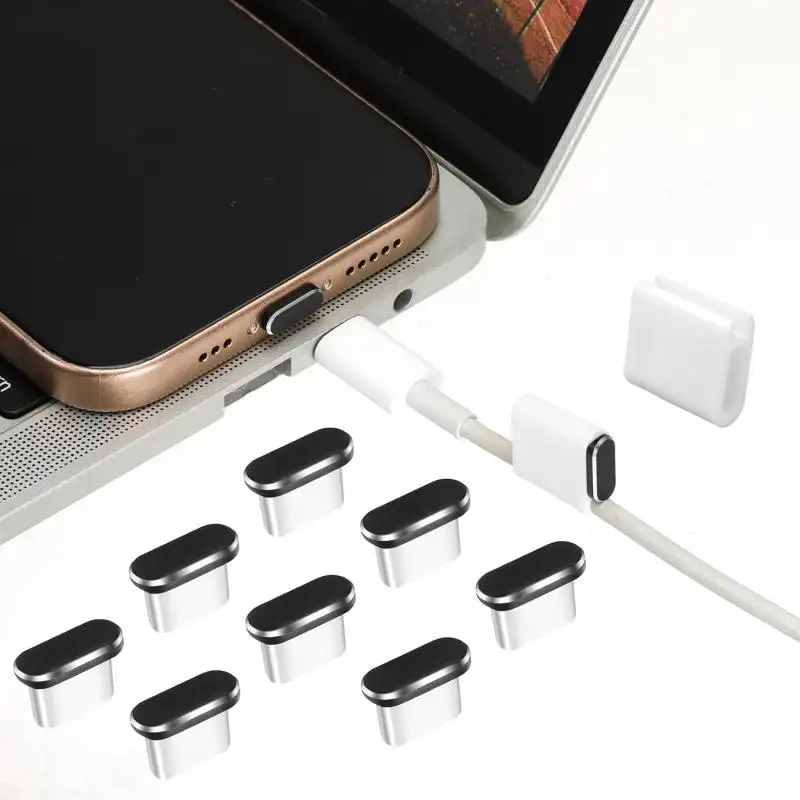
Waterproof USB Connector: Seal the Device, Not Just the Port
A waterproof USB connector is one that will generally pass the sample review without any problem. It seems to be the real problem that comes later after the product has been exposed to rain, washed, dropped or charged while wet. Water will not get in through the front opening. It can wrap around the connector ... Read more
Learn More -

6 Position Slide Switch: Make Six States Easy to Use
It is easy to get the 6 position slide switch, but when the team begins to identify the 6 positions, it gets complicated. Is it 6 fan speeds, 5 fan speeds (including OFF), 6 audio inputs or 6 service modes? If the circuit goes off when it switches between positions, should one of the contacts ... Read more
Learn More -
Vertical Slide Switch: Design the Motion Before Choosing the Part
Many times, a vertical slide switch is the simplest component on a PCB. After that the first enclosure sample comes in. The actuator is too low, the plastic slider is rubbing against the panel slot or the user must push sideways while the switch body is pushing. All of these issues start with electrical performance ... Read more
Learn More -

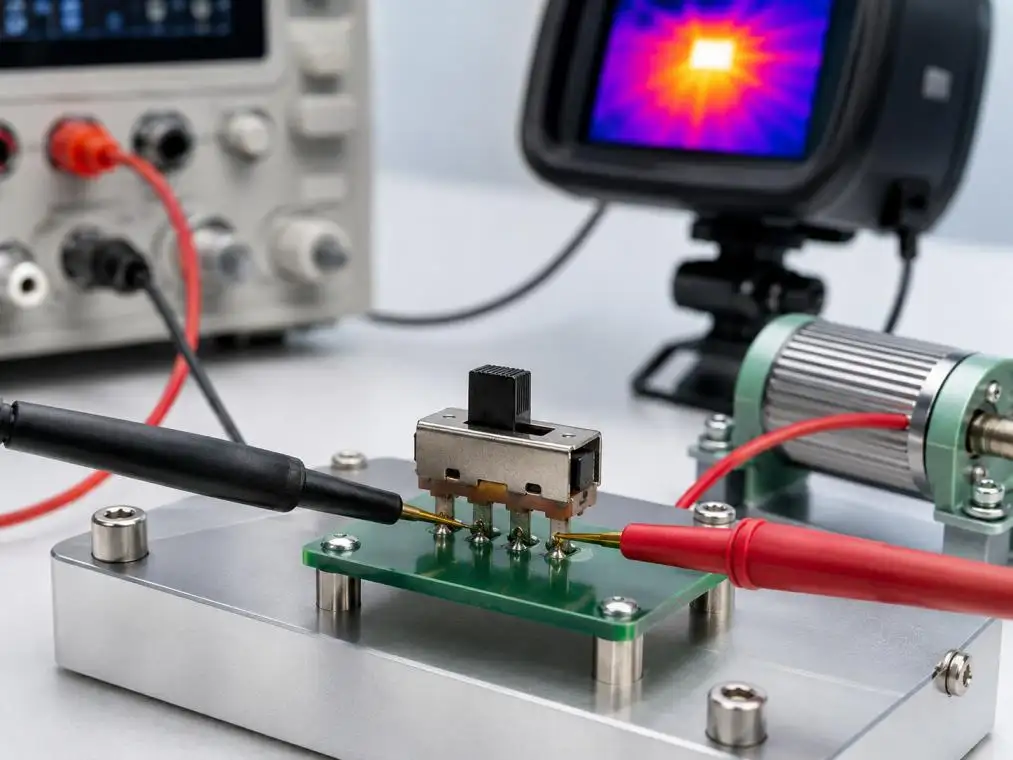
Mini Slide Switch Contact Materials and Electrical Performance
A Mini Slide Switch is widely used for power control, mode selection, signal routing, and function configuration in compact electronic devices. Although its housing is small, the internal contacts must provide stable conductivity within limited mechanical space. Selecting the wrong contact material can increase contact resistance, cause intermittent signals, generate excessive heat, or shorten electrical ... Read more
Learn More -

Sliding Door Limit Switch Specifications Buyers Should Compare
A Sliding Door Limit Switch determines if a door is in a fully open, fully closed, or any intermediate position and sends the relevant information to a controller, motor, alarm, or safety interlock. Switches that may look similar could have differences in multiple areas such as service life, environment protection, and electrical rating among others. ... Read more
Learn More -

ATV Winch Rocker Switch with LED: Features, Benefits, and Applications
ATV winches assist vehicles in mud, forests, steep climbs, snow, and other low visibility and recovery situations. In these scenarios, the control switch should be simple to identify, use, and built into the vehicle's electrical systems. When used in an ATV, the illuminated Winch Rocker Switch helps the user find the control and shows the ... Read more
Learn More -

Waterproof Phone Jack Protector: Features and Design Considerations
Moisture, dust, sweat and other small particles can affect electronic ports. Audio interfaces are particularly susceptible to becoming less reliable and may require more frequent cleaning. Normal dust plugs trap big particles. In contrast, a dust and waterproof Phone Jack Protector will require a more precise fit and more advanced sealing structure. Beyond materials, a ... Read more
Learn More -
Mini Push Button Micro Switch: Compact Solutions for Modern Electronics
Recent trends in design and technology are leading modern electronic products to be smaller yet packed with more features than ever. As enclosure space and PCB real estate dwindle, component designers tailor each component to provide better performance in a smaller footprint. A Push Button Micro Switch is a great choice for on/off control, resets, ... Read more
Learn More
You Are Here:
Home /