

-

What An Automatic Light Control Switch Does, And Why HANXIA Does It Better For 2026
For any commercial building manager or procurement officer in 2026, an Automatic Light Control Switch is no longer a luxury item. It is a standard component of energy-efficient construction and retrofitting. That said, switches differ in reliability, compatibility, and long-term value. This article details the operation of the Automatic Light Control Switch, what to consider ... Read more
Learn More -

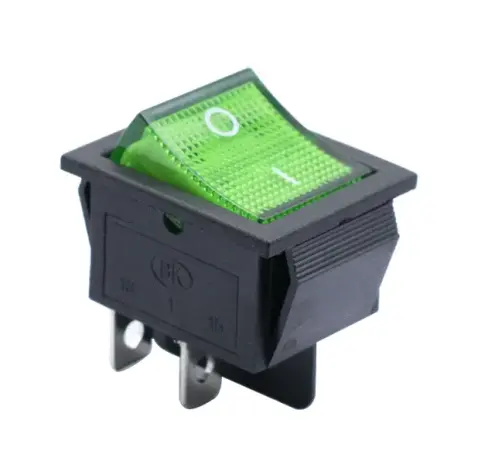
6 Pin Rocker Switch Insights: A Practical Guide for Control System Applications
The 6 Pin Rocker Switch serves many purposes in construction, farming, marine, and automotive systems. A key challenge for procurement professionals is identifying a switch that balances reliability, durability, and compatibility with modern electronic systems and designs with IoT capabilities. HANXIA has a solution for each of these. With the KCD4 series, HANXIA confidently states that the 6 Pin Rock Switch ... Read more
Learn More -

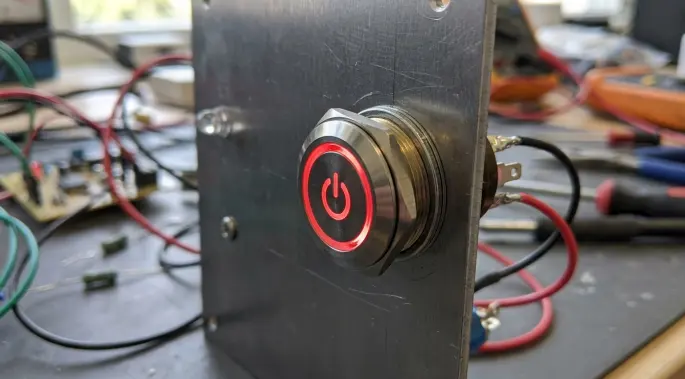
16mm: The Standard Size For Modern Push Button Switches
If you have worked with industrial controls, commercial appliances, or human-machine interfaces, you have encountered a 16mm Push Button Switch. This specific panel cutout size appears across control cabinets, public kiosks, medical equipment, and EV charging stations. The reason is not random. 16mm has emerged as the practical balance between ergonomic usability and panel space ... Read more
Learn More -

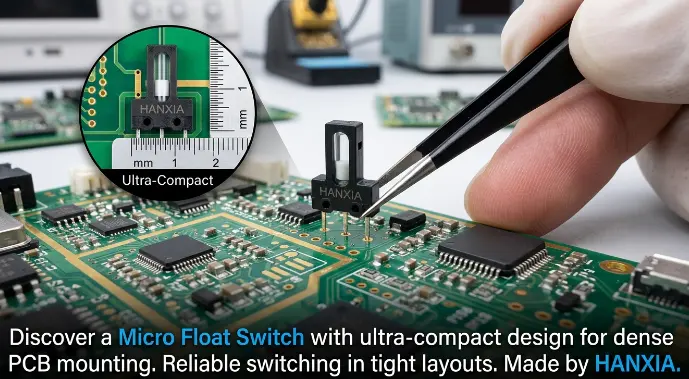
Micro Float Switch: Ultra-Compact Design For Dense PCB Mounting
Introduction A Micro Float Switch is often the difference between reliable liquid level detection and unexpected system failure. As electronic appliances evolve, devices get smaller and denser, and circuits get smaller. Engineers and procurement managers have the same problems trying to find Micro Float switches that fit within the fighting compact housing and the switching ... Read more
Learn More -

ALPS Tact Switch Replacement: How to Match Specs Correctly
You have an ALPS tact switch on a PCB — and it is discontinued, on long lead time, or out of your budget. The natural next step is to find a replacement. But here is where most engineers make their first mistake: they match the footprint, order 10,000 units, and only discover during assembly that ... Read more
Learn More -
SMD Tactile Switch Guide for Compact PCB Designs
Every millimeter matters when you are designing a compact PCB. Whether you are working on a wearable device, an IoT module, a handheld instrument, or a consumer electronics product, the components you choose directly affect how much board space you have — and how reliably your product performs over its lifetime. Tactile switches are a ... Read more
Learn More -
How to Request Tact Switch Samples Before Bulk Orders
Placing a bulk order for tact switches without first testing a sample is one of the most preventable mistakes in electronics procurement. A wrong actuation force, an incompatible PCB footprint, or a contact resistance that drifts under load — any of these issues can render an entire shipment unusable. Yet many buyers skip sampling entirely, ... Read more
Learn More -
How to Read a Tactile Switch Datasheet Before Ordering
Most ordering mistakes with tact switches don't happen because of a wrong product search. They happen because the buyer opened a datasheet, scanned the numbers, and assumed the switch would work. A datasheet is the only binding technical document between you and the factory. If you misread one specification — or skip a section entirely ... Read more
Learn More -
Custom Tactile Switch: Force, Height, LED & Sealing Guide
When you're designing a product for mass production, a standard off-the-shelf tact switch rarely fits your exact requirements. Your enclosure has a specific panel depth. Your users wear gloves. Your device operates in a wet or dusty environment. Your UI needs backlit feedback. Each of these demands a custom tactile switch built to your specification ... Read more
Learn More -
Bulk Tact Switches Buying Guide: MOQ, Packaging & Lead Time
You have confirmed your tact switch specification. You know the footprint, the actuation force, the mounting type. Now the real procurement questions begin: How many do you have to order? How will the parts arrive? How long will production actually take? These are the questions that determine whether your production schedule runs smoothly or gets ... Read more
Learn More
You Are Here:
Home / Industry Blog /