





Waterproof Phone Jack Protector: Features and Design Considerations
Moisture, dust, sweat and other small particles can affect electronic ports. Audio interfaces are particularly susceptible to becoming less reliable and may require more frequent cleaning. Normal dust plugs trap big particles. In contrast, a dust and waterproof Phone Jack Protector will require a more precise fit and more advanced sealing structure.
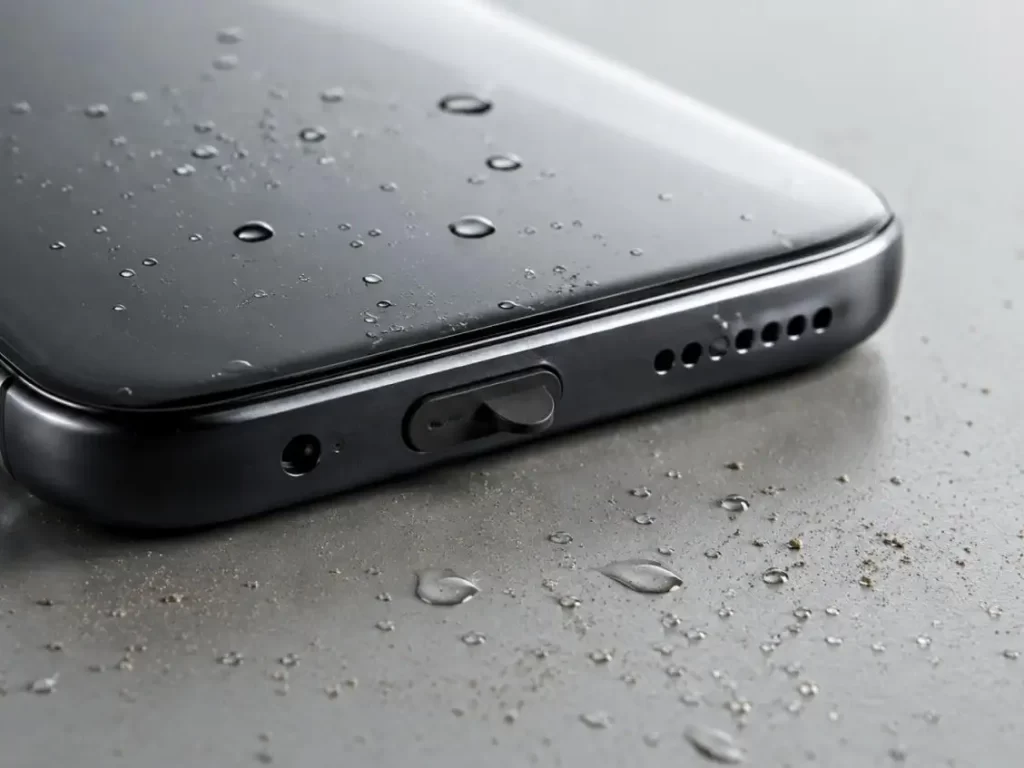
Beyond materials, a dust and waterproof Phone Jack Protector must consider various components working together. These include plug diameter, insertion depth, sealing ribs, surface friction, material hardness, and port tolerances. Because of this, buyers should describe the actual port, environment of application, and protection objective when choosing a material or approving a design.
What Is a Waterproof Phone Jack Protector?
A waterproof Phone Jack Protector is a removable component inserted into an audio jack or similar small electronic port. It helps reduce the entry of dust, water droplets, sweat, and other contaminants when the interface is not in use.
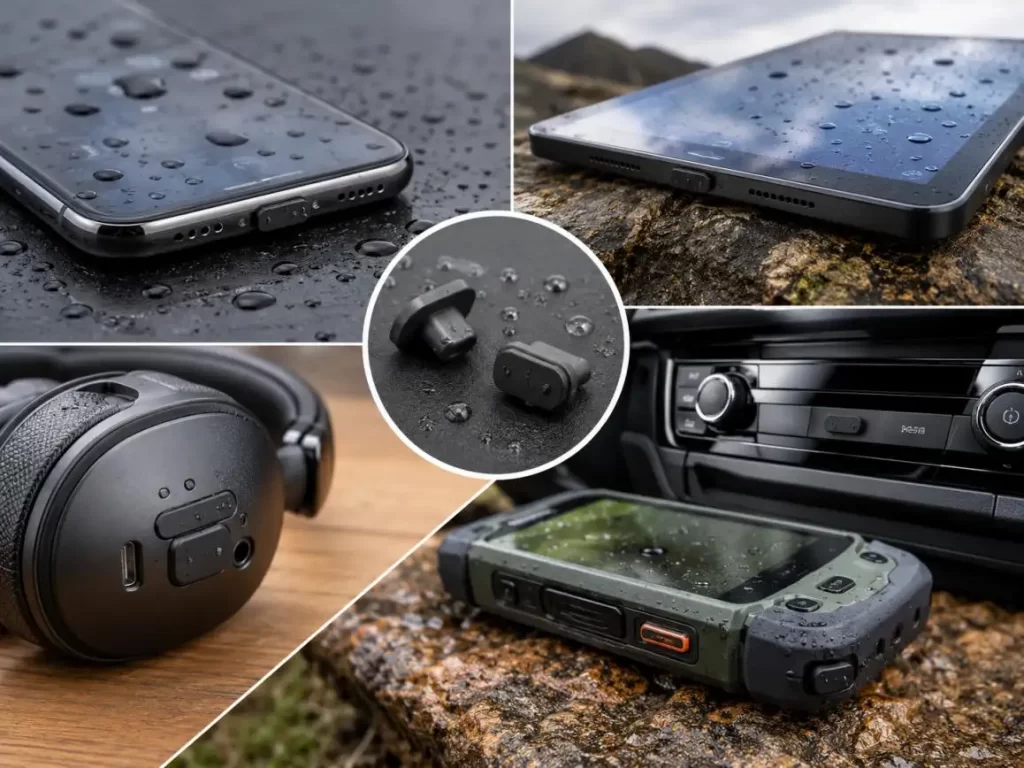
The most common use case is a 3.5 mm audio jack. However, if you have a different size or style of port, custom versions can be made. Applications can be made for smart devices including; smartphones, tablets, headphones, car electronics, outdoor devices, and industrial devices.
Main Functions
•Dust Resistance: Prevents entry of dust and very small particles.
•Splash Resistance: Reduces the effect of small splashes and wet contact.
•Port Maintenance: Keeps connection ports clean for every time the port is used.
•Visual Integration: Matches the color and design of the device.
A Phone Jack Protector does not provide an entire device with an IP rating. When determining if a device is waterproof, all parts and the assembled device must be considered.
Key Features of a Waterproof Phone Jack Protector
Flexibly Sealing Material
Commonly, silicone, TPE, and rubber are considered for materials when a flexible seal is required. These materials will compress against the inner walls of the port and reopen after removal.
Material choice should consider hardness, compression set, resistance to the elements and aging, insertion resistance, and the expected number of insertions.
Accurate Interface Fit
Fit is critical to the performance of a Phone Jack Protector. A plug that is too small can either be loose or not cover enough of the port. Conversely, a plug that is too big can be difficult to remove and can also deform the port.
Designers should base their insert design on actual port measurements and not just on a nominal 3.5mm dimension.
Integrated Sealing Ribs
Basic protection can be provided by a straight plug. However, retention and splash resistance can be enhanced with a plug that contains tapered surfaces or multiple sealing ribs, which also can be made small to not overly increase plug size.
Easy Removal
The Phone Jack Protector can be removed with ease due to a small tab, handle or flange that is raised slightly. The exposed portion should be small enough to not interfere with either the aesthetics or the functionality of the device.
Repeated Insertions
The protector should be designed to maintain shape, elasticity, and holding force after repeated use. Testing a new sample is not indicative of how the product performs after being inserted and removed many times.
| Function | Main Design Factor | Potential Problem |
| Dust protection | Opening coverage | Excessive clearance |
| Splash protection | Sealing edge and material recovery | Loose plug |
| Retention | Insertion depth and interference | High insertion force |
| Removal | Tab or flange design | Oversized exterior |
| Durability | Hardness and fatigue resistance | Permanent deformation |
Key Design Considerations
Port Measurements and Tolerances
Manufacturers need to confirm the following prior to making a unique Phone Jack Protector:
•Nominal diameter of port
•Actual minimums and maximums of the port's internal dimensions
•How deep it can be inserted
•The shape of the housing at the port opening
•Location of the port's internal metal contacts
•Required forces for insertion and removal
•Retention and sealing performance can be drastically altered with the smallest of changes.
Material Hardness
If a material is too soft, it can be uncomfortable, deform, or fall out. A harder material can tend to increase sealing stress and lessen port stress while maintaining form and feeling less comfortable.
The selected hardness should balance flexibility, retention, user comfort, and repeated-use durability.
Sealing Geometry
Common structures include straight cylindrical plugs, tapered plugs, multi-rib designs, and plug-and-cap combinations.
A more complicated structure is not always better. The geometry should match the target level of dust or splash protection and the actual shape of the device opening.
Surface Texture
Surface finish affects friction, grip, dust accumulation, and appearance. Smooth surfaces and slightly textured removal tabs both have their respective advantages for cleanability and for providing grip.
Environmental Conditions
A Phone Jack Protector used indoors may require minimal protection against dust. Outdoor, automotive, high-humidity, and industrial applications may require enhanced protection against temperature variations, aging, and improved sealing.
Color and Appearance
Although black is the standard, other colors can be used to allow the protector to either match the device housing or to differentiate various product models. The exposed head can also be adjusted in shape, finish, and size.
Phone Jack Protector vs. Other Port Protection Options
Horizontal comparison helps buyers determine whether a removable Phone Jack Protector is the correct product format.
| Protection Option | Dust Protection | Splash Protection | Removal Convenience | Customization | Typical Application |
| Phone Jack Protector | High | Medium to high | High | High | Audio jacks and small ports |
| Rigid plastic dust plug | Medium | Low | High | Medium | Indoor electronics |
| Integrated rubber port cover | High | High | Medium | Medium | Outdoor and industrial devices |
| Tethered port cover | High | High | High | Medium | Frequently opened equipment |
| Full waterproof case | High | High | Low | Low | Complete portable-device protection |
A removable Phone Jack Protector is suitable when the project requires a lightweight, replaceable, and economical solution. An integrated rubber cover may offer stronger retention but must normally be considered during device development. A full protective case covers more of the product but adds bulk and cost.
How to Optimize the Same Phone Jack Protector
Vertical comparison focuses on improving the specification within the selected product format.
| Comparison Factor | Basic Configuration | Optimized Configuration | Selection Basis |
| Material | Rigid plastic | Silicone or TPE | Elastic sealing requirement |
| Structure | Straight plug | Tapered or multi-rib design | Splash target |
| Hardness | Single standard | Customized hardness | Insertion feel |
| Exterior | Flat head | Tab or custom shape | Removal convenience |
| Color | Standard black | Custom brand colors | Product appearance |
| Packaging | Bulk packaging | Individual bag or retail set | Distribution channel |
The goal is not to add unnecessary features. A practical Phone Jack Protector should balance sealing, retention, ease of removal, durability, and cost of manufacture.
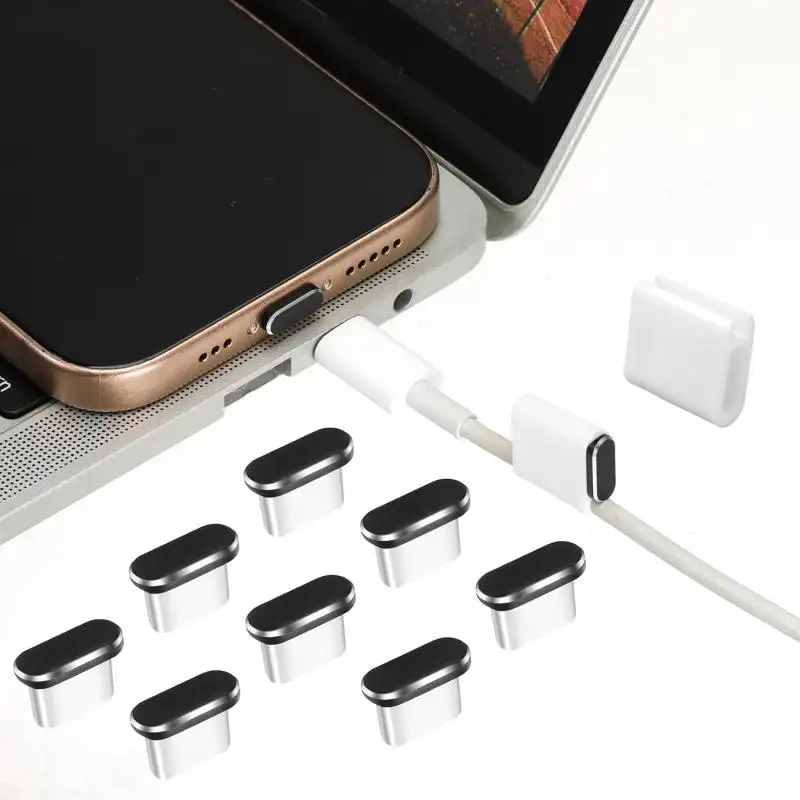
Production of Phone Jack Protectors - Material Comparison
| Material | Advantages | Limitations | Recommended Use |
| Silicone | soft, resilient and offers a wide temperature range | relatively expensive | Repeated insertion and splash protection. |
| TPE | Flexible molds and many color options | various formulations | accessories for consumer devices |
| Rubber | Good friction and sealing potential | odor and aging issues may occur | outdoor and industrial equipment |
| Rigid plastic | Stable dimensions and lower cost | limited elastic sealing | Basic dust protection |
Material data sheets should not be the sole consideration for final selection. Production-equivalent samples should be tested with the actual port.
Manufacturing and Quality Control
For a custom Phone Jack Protector, port measurement, material selection, structural design, tooling, sample approval, production, dimensional inspection and assembly testing are all part of the process.
Hanxia was founded in 2014. It has a 5,600-square-meter site with over 90 employees and 38 automated production lines. Its daily output is over two million components. Automated assembly and testing, inspection and functional testing enhance production consistency. Hanxia is ISO 9001 certified and its products are supported by CE, REACH and RoHS 2.0 certification.
Capabilities include:
•Custom sizes, shapes, colors, and materials
•Custom tooling and process development
•Batch consistency control
•Dimensional and functional inspection
•Technical and order support
Common Development Mistakes
❌Relying solely on the nominal 3.5 mm size
❌Using too much interference
❌Neglecting repeated insertion testing
❌Considering dust resistance as a form of waterproofing
❌Not addressing aging and compression deformation
❌Designing a plug that is hard to pull out
❌Approving materials based on lab and desk studies
Conclusion: Develop Around the Actual Port
A waterproof Phone Jack Protector needs to find the right balance of sealing and geometrical design in relation to elasticity, dimensions, force, and tolerances. Drawings, designs, and samples along with the desired color, material, and order needs should be sent to Hanxia. They will produce samples that are as close to the desired production form as possible and help find the optimum balance of sealing, strength, aesthetics, and price.
FAQs
Q1. What sealing structures are typical?
Some standard examples are straight plugs, tapered plugs, single sealing ribs, multiple sealing ribs, and plug-and-cap structures.
Q2. Can a Phone Jack Protector make a device waterproof?
No. A Phone Jack Protector may enhance dust and splash protection, but no waterproof or IP-rating claims can be made unless the entire device is tested.
Q3. What materials can be used for a waterproof Phone Jack Protector?
Silicone, TPE, and rubber are typical materials used to make a waterproof Phone Jack Protector because they are flexible and can provide sealing contact and repeated-insertion performances.
Q4. Does a Phone Jack Protector fit a 3.5 mm port?
Not always. Actual port diameters, insertion depths, internal contacts, and housing tolerances may vary by device.
Q5. How tight should the fit of a Phone Jack Protector be?
It should fit tight enough to stay in place, but not so tight that it risks damaging the port or requires a lot of force to insert.
