

-

Best Low-Profile Tact Switches for Compact Devices
For compact devices like wearables and hearables, the best low-profile tact switches feature heights under 0.8mm, Surface Mount (SMD) termination, and high lifecycle ratings (500k+ cycles). The Hx-Switch Ultra-Thin Series is the top recommendation, offering a verified 0.5mm profile without sacrificing the distinct "click" feeling. Critical selection metrics include Actuation Force (160gf–260gf) and high-temperature resistance ... Read more
Learn More -
Best DIP Switches for Prototyping Boards
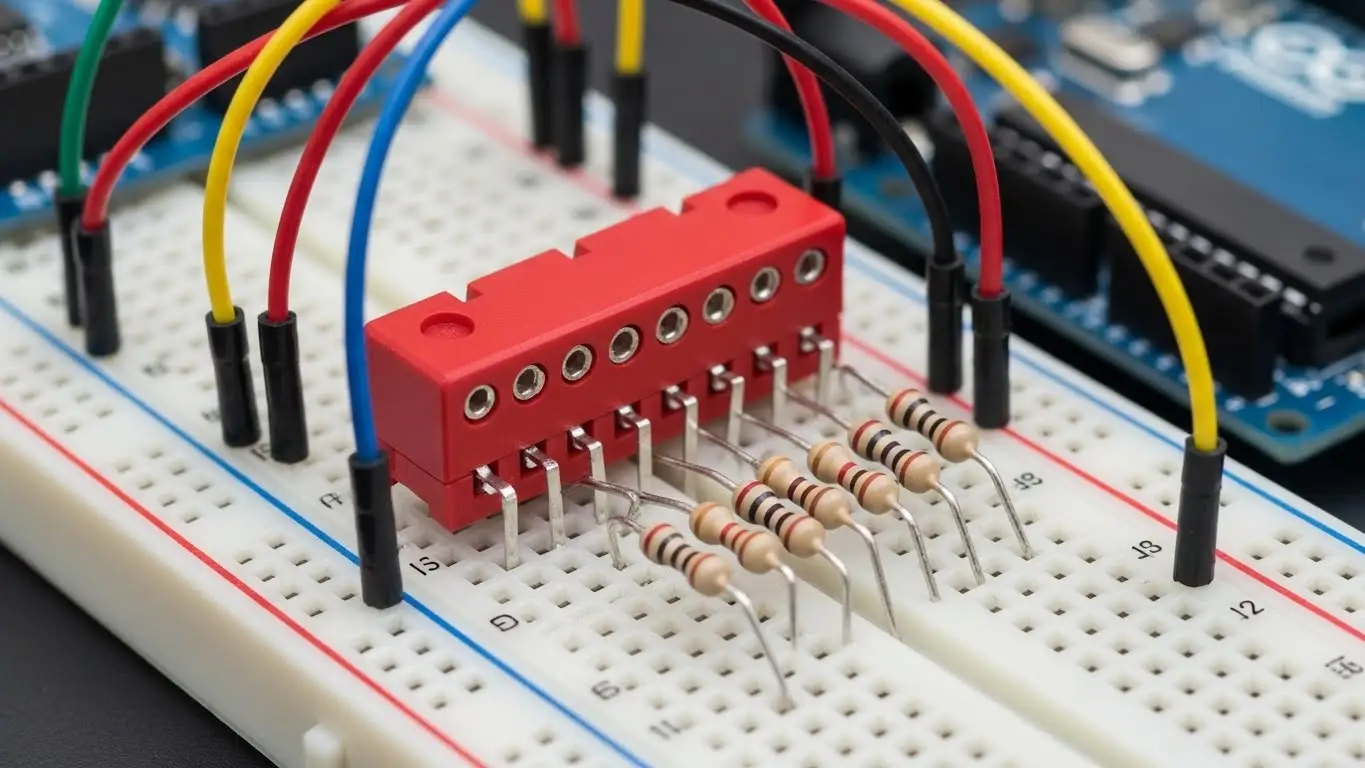
For reliable prototyping on standard breadboards, the best DIP switches feature a 2.54mm (0.1-inch) pitch, slide-type actuators, and gold-plated contacts for low-voltage signal integrity. The Hx-Switch HDS Series is the top recommendation for engineers, offering reinforced pins that resist bending during frequent insertion and removal cycles, ensuring consistent logic verification. What Makes a DIP Switch ... Read more
Learn More -
Engineering Reliability: The Best Tactile Switches for Medical Electronics
In medical electronics design, a switch is never just a switch—it is a critical interface between a healthcare professional and patient safety. Whether it is the actuation button on a surgical ablation tool or the mode selector on a home dialysis machine, the component must meet stringent regulatory standards (IEC 60601) and survive aggressive sterilization ... Read more
Learn More -
Best Waterproof Tact Switches for Outdoor Electronics: The Engineering Guide
The best waterproof tact switches for outdoor electronics utilize a sealed membrane design (typically IP67 or IP68 rated) combined with UV-resistant actuator materials (like Silicon or PBT) and a high actuation force (above 160gf). For reliable outdoor performance, a simple "waterproof" label isn't enough. You must balance ingress protection against tactile feedback, ensuring the heavy ... Read more
Learn More -
Best Switches for Communication Modules
The best switches for communication modules—such as IoT gateways, routers, and industrial modems—are DIP switches, tactile (tact) switches, and slide switches. DIP switches are the industry standard for hardware configuration, allowing engineers to manually set baud rates, addresses, or protocols without software intervention. Tactile switches are essential for user interfaces, primarily serving as reset or ... Read more
Learn More -
Best DIP Switches for Automation Systems
Best DIP switches for automation systems must balance reliability, environmental sealing, and ease of configuration. In industrial environments, the ideal choice is often a Rotary DIP switch for quick address setting or a Piano-style switch for side-access configuration. Prioritize gold-plated contacts for low-voltage logic circuits to prevent oxidation and ensure consistent signaling over decades of ... Read more
Learn More -
Best Tact Switches for IoT Devices
Selecting the best tact switches for IoT devices is a critical design decision that directly impacts user experience and product longevity. Whether you are building a wearable fitness tracker or a remote industrial sensor, the button is the primary physical interface. If that switch fails, your "smart" device becomes useless. In my experience prototyping hardware, ... Read more
Learn More -
The definitive Industry Guide
In modern manufacturing, network failure isn't just a technical annoyance—it is a financial hemorrhage. If you have ever watched a production line grind to a halt because a communication packet was dropped, you know the stakes. The cost of downtime in automotive or pharmaceutical production can range from $20,000 to over $100,000 per hour. Yet, ... Read more
Learn More -
How to Wire a DIP Switch in a Circuit
To wire a DIP switch correctly, you generally connect one side of the switch pins to the ground (GND) and the corresponding pins on the other side to the digital input pins of your microcontroller or logic circuit. Crucially, you must ensure the signal state is stable by using a pull-up resistor. You can either ... Read more
Learn More -
DIP Switch Reading Errors — Troubleshooting Guide
DIP switch reading errors typically stem from three root causes: mechanical failure (oxidation, dust, or wear), human error (misinterpreting labels or binary values), or logical faults (reading the switch at the wrong time). To fix this, first verify that the physical position matches the "ON" label. If the setting is correct but the device fails ... Read more
Learn More
You Are Here:
Home / Industry Blog /