

-

Sealed vs Waterproof Tact Switch: Key Differences
The primary difference between a sealed tact switch and a waterproof tact switch lies in the degree of Ingress Protection (IP) rating. While the terms are often used interchangeably, "sealed" typically refers to "process sealed" switches designed to withstand the flux washing process during PCB manufacturing (often rated IP64 or lower). In contrast, "waterproof" tact ... Read more
Learn More -
Tact Switch vs Micro Switch
The primary difference between a tact switch and a micro switch lies in their intended function and mechanics. A tact switch (tactile switch) is designed specifically for direct user interaction, providing a noticeable physical "click" feedback at low voltages to signal an input, such as pushing a button on a keypad. A micro switch (snap-action ... Read more
Learn More -
SMD DIP Switch vs Through-Hole DIP Switch: The Designer's Guide
Choosing between an smd dip switch vs through hole component is often the first real argument a junior engineer has with their production manager. I vividly remember my first PCB design review; I had specified a rugged through-hole switch because it "felt" sturdier. The manufacturing lead looked at the Bill of Materials, sighed, and asked ... Read more
Learn More -
DIP Switch vs Jumper: Which Is Better?
There is a distinct sinking feeling known only to field technicians: the sound of a plastic jumper slipping from your needle-nose pliers and pinging off the metal chassis of a mission-critical control panel. You’re on a factory floor, it’s 100 degrees, and you’re now searching for a piece of plastic the size of a grain ... Read more
Learn More -
Industrial Switch Comparisons
You can buy a standard Ethernet switch for $30 at an electronics store. You can also buy an industrial-grade switch for ten times that amount. To a procurement manager looking at a spreadsheet, the choice seems obvious—save the money. But to an automation engineer, that $30 switch represents a ticking time bomb. In an air-conditioned ... Read more
Learn More -
Fixing Noisy Signals in DIP Circuits: The Ultimate Guide
Noisy signals in DIP circuits usually result from mechanical switch bounce or floating inputs (lack of pull-up resistors). To fix this, implement debouncing strategies (adding an RC filter or software delay of 10–20ms) and ensure every input pin has a stable voltage reference. If noise persists, inspect for oxidation and apply contact cleaner. Why is ... Read more
Learn More -
DIP Switch No Signal: Troubleshooting & Repair Guide
A "no signal" fault in DIP switches typically results from contact oxidation (increasing resistance >100mΩ), insufficient wetting current, or cold solder joints. To resolve this, first verify continuity with a multimeter, clean contacts with a specialized deoxidizer, and reflow solder points. If the actuator is physically compromised, component replacement is required. Why is my DIP ... Read more
Learn More -

Why Choosing the Wrong Panel Mount Micro Switch Costs More?
A Panel Mount Micro Switch is a small, snap-action switch fixed to a control panel. It sends precise on/off signals in vehicles, machines, and outdoor devices. It looks simple. It is not. Pick the wrong seal or actuation force and tiny errors creep in. Water, dust, and vibration start to win. Signals drift. Operators press ... Read more
Learn More -
How to Fix Stuck Tactile Switches: Diagnosis, Cleaning, and Replacement Guide
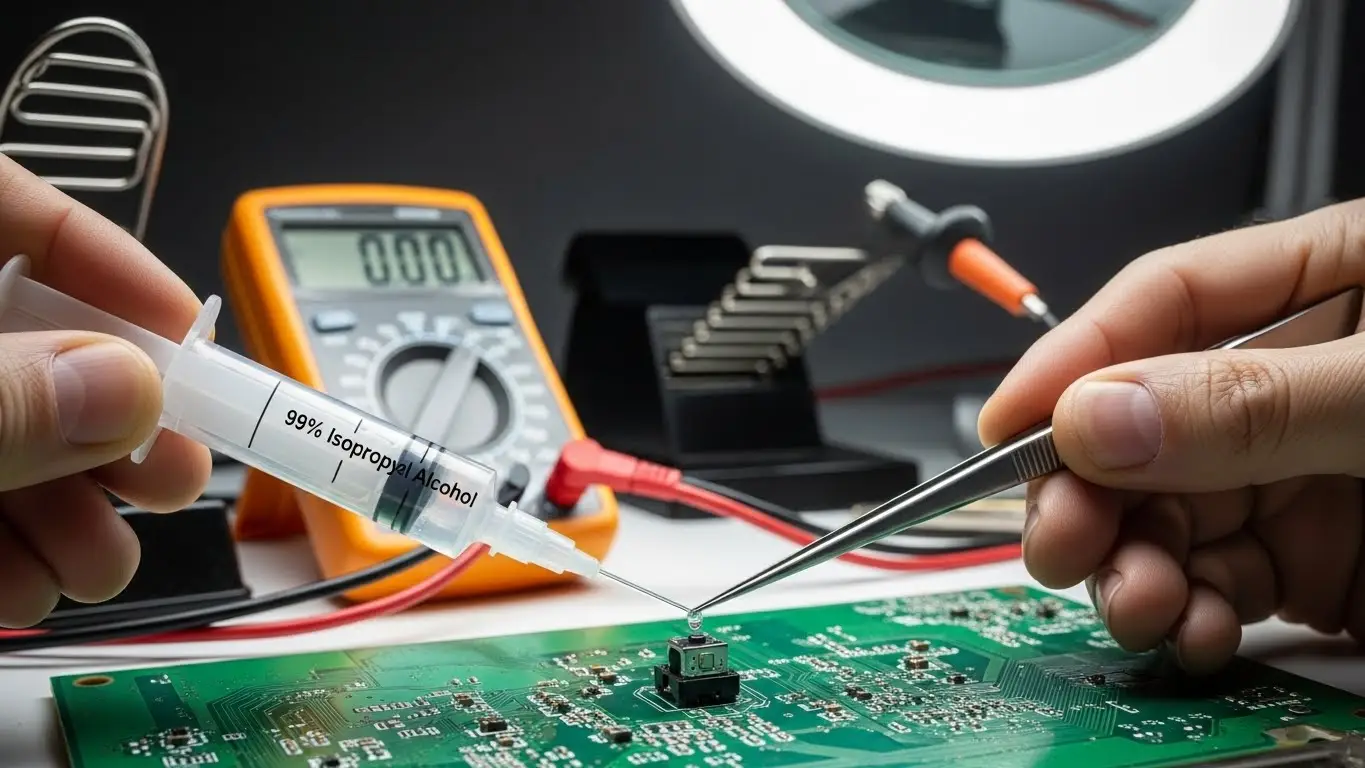
To fix a stuck tactile switch, first disconnect all power sources. Apply a small amount of 99% Isopropyl Alcohol (IPA) directly to the actuator and press the button rapidly to clear internal debris or oxidation. If the tactile "click" is gone (dome collapse), the switch requires desoldering and replacement. HX-Switch recommends testing continuity with a ... Read more
Learn More -
Why Tact Switches Stop Responding: 4 Common Failures & Fixes
Why does a tactile switch stop working? In 90% of cases, the culprit is contact oxidation (increasing electrical resistance), mechanical dome fatigue (loss of the "click"), or flux contamination from improper soldering. While these switches are rated for thousands of cycles, they are not sealed against the environment. Over time, dust, moisture, and even invisible ... Read more
Learn More
You Are Here:
Home / Industry Blog /