

-

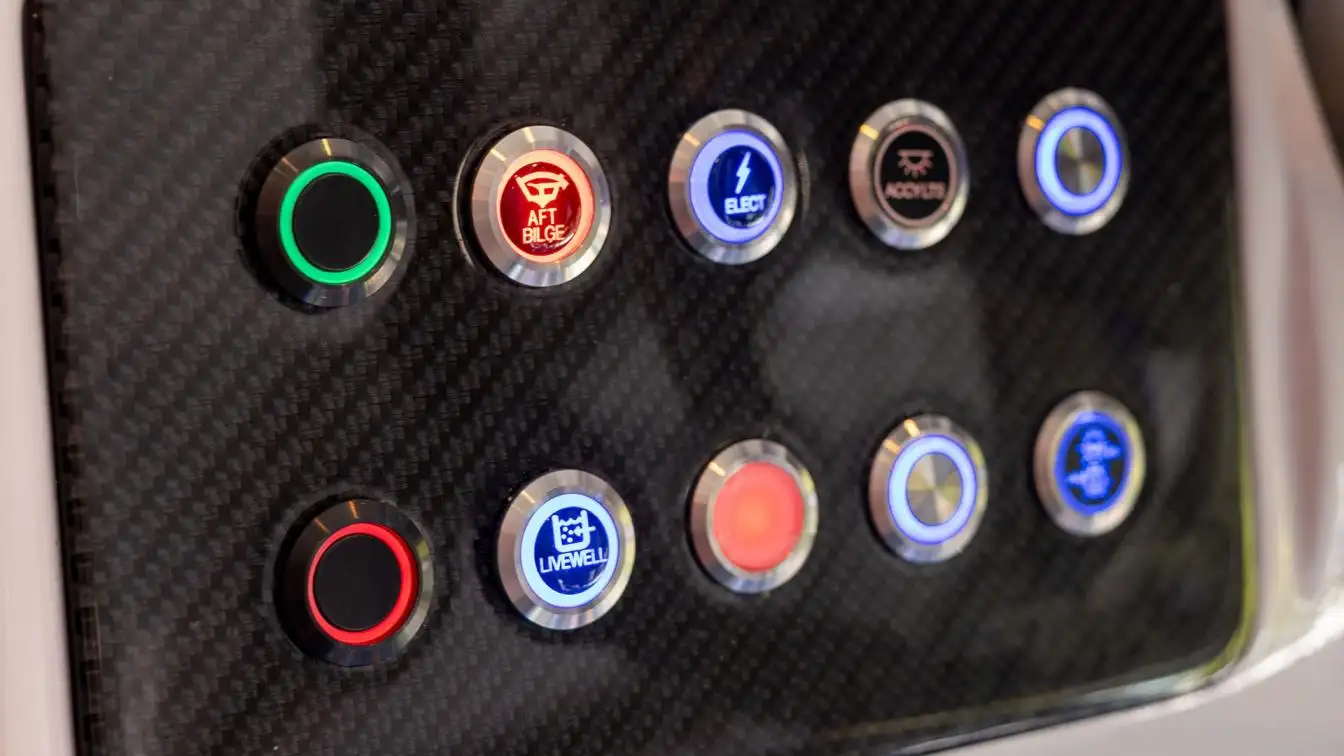
What Custom Push Button Switch Options Improve User Safety
When a machine starts with a single press, the Custom Push Button Switch is often the quiet hero behind it. It is the small control on your panel that turns power on, stops a motor, or triggers an alarm. It decides how the device feels in the hand and how clearly the status is shown ... Read more
Learn More -

A Beginner-Friendly Guide to DIP Switches
Setting Dipswitches for Dummies” gives absolute beginners a fast, stress-free way to understand and configure DIP switches correctly. Instead of dense datasheets and confusing jargon, it uses plain language, visual thinking, and real-world examples to explain what each switch does and how binary addresses actually work. Readers learn a repeatable step-by-step method they can reuse ... Read more
Learn More -

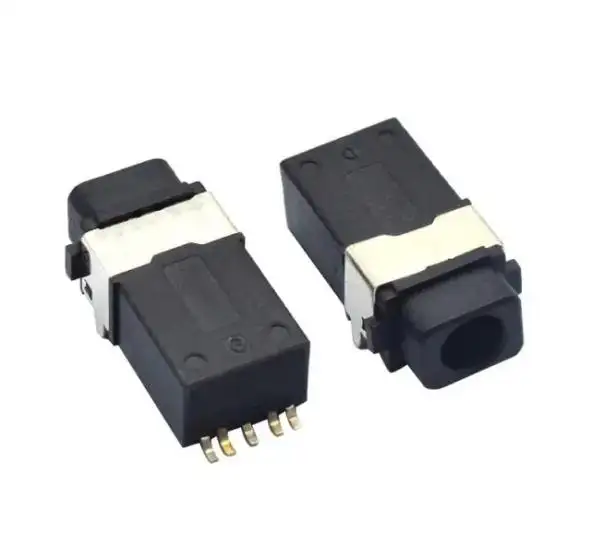
Could Smartphones With Headphone Jack Solve Audio Lag Issues
The Smartphones With Headphone Jack raise a simple but important question: can a wired connection still beat wireless audio today? Many users struggle with sound delays in games, calls, and recording. Even modern wireless gear cannot fully avoid these issues. This is why more people are looking back at wired options. Could a traditional jack ... Read more
Learn More -

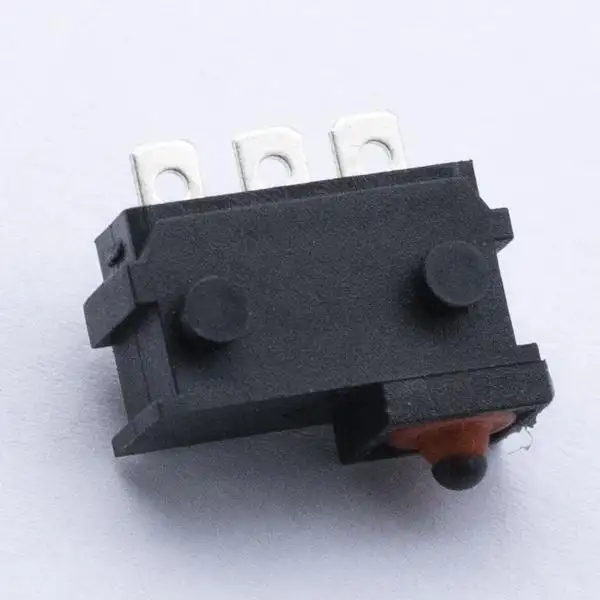
What Problems a Micro Limit Detection Switch Can Prevent
A Micro Limit Detection Switch is a tiny device that tells a machine when to stop, start, or change direction. It senses a precise point in motion and sends a clean on/off signal. This small part protects gears, doors, cams, and end stops. It keeps motion within a safe range. It also helps avoid false ... Read more
Learn More -
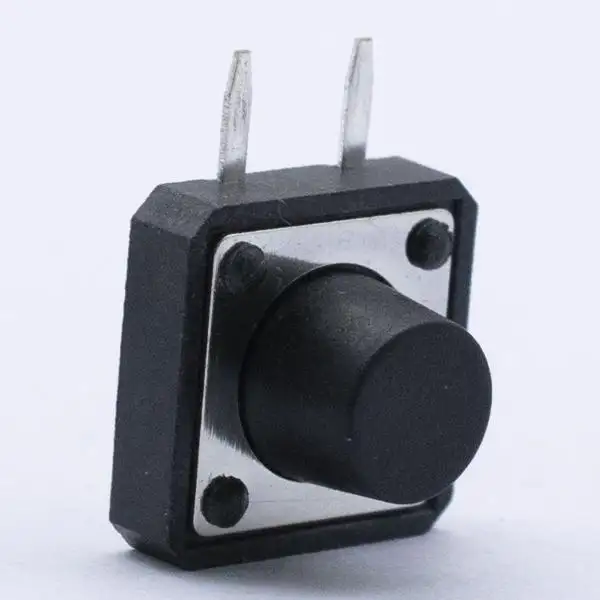
Why Your Panel Needs a 12mm Push Button Switch for Better Safety
A 12mm Push Button Switch looks small, but it shapes how people use your panel. It is a compact, tactile on-off or momentary control that delivers a clear click and a clean signal. Designers pick it for tight spaces, low power needs, and reliable feedback. Operators like it because it feels certain under the finger. ... Read more
Learn More -
Capacitive Touch Push Button Switch Benefits for Modern Designs
A Capacitive Touch Push Button Switch senses changes in electrical capacitance when a finger approaches. No moving parts. A clean, sealed surface. It replaces clicky mechanics with smooth, reliable input. Designers gain slim profiles and flexible materials. Users get faster response and fewer mis-presses. Power draw stays low, which helps battery devices. It fits home ... Read more
Learn More -

Can a Mini Slide Switch For Grinder Boost Tool Performance
A Mini Slide Switch For Grinder is a small on/off control built into the tool's circuit. It routes power, sets states, and gives clear tactile feedback. It looks simple. It takes little space. It draws little power. Yet it faces heat, dust, and vibration every day. Many grinders fail because this tiny part wears or ... Read more
Learn More -
Enhance Product Safety Using a Panel Mount Slide Switch
A Panel Mount Slide Switch looks small, but it can change how safe a product feels. It is a front-panel control that moves in a straight line to select a clear state. One slide. One decision. No guesswork. It mounts securely on the enclosure and connects to low-power control lines. The action is crisp, so ... Read more
Learn More -

Why Engineers Choose Hanxia Tactile Switch for Durable Designs
Why do engineering teams keep coming back to Hanxia? The answer starts with a Tactile Switch. It is a momentary push button that closes a circuit only when pressed. It delivers a crisp click and reliable feedback. That tiny feel shapes user trust. It also drives pass rates and protects uptime. Hanxia builds switches for ... Read more
Learn More -
Avoid Signal Loss with Precision Right Angle SMT Slide Switch Design
A Right Angle SMT Slide Switch is a compact, surface-mount switch with its actuator at 90° to the PCB edge for side operation. It provides precise on/off or mode selection in space-constrained devices and supports automated assembly. Right Angle SMT Slide Switch design looks simple, yet it decides whether your signal stays clean. In tight ... Read more
Learn More
You Are Here:
Home / Industry Blog /