





When to Use a 5-Position Slide Switch: A Quick Guide
Ask any product designer what keeps them up at night, and chances are they will mention the user interface. Get the interface right, and people forgive almost everything else. Get it wrong, and even the most powerful features go unused. That is where the humble 5-Position Slide Switch enters the conversation. It is one of those components that rarely makes headlines but quietly shows up in equipment that just works.
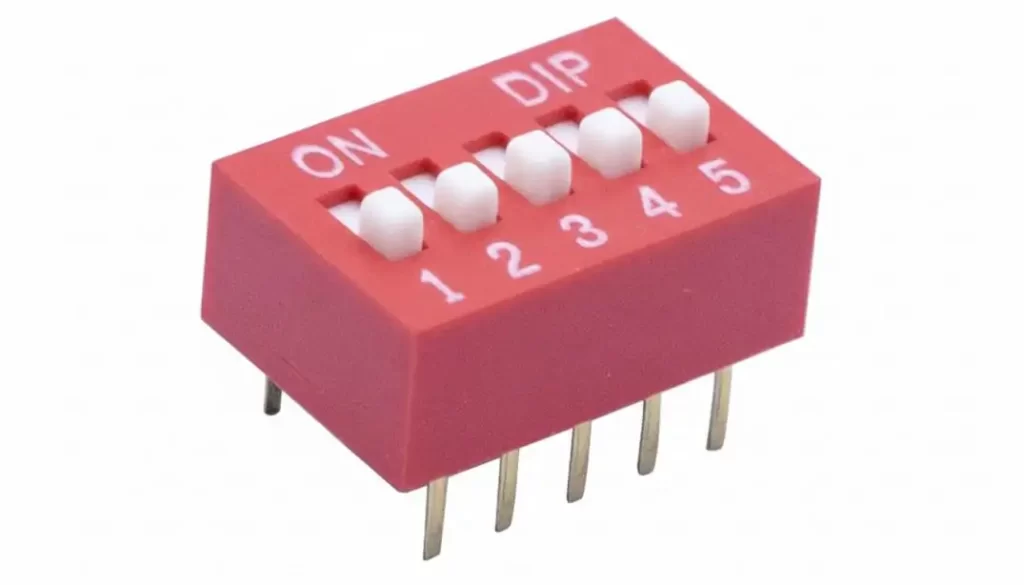
At HANXIA, we have been manufacturing these switches long enough to understand what makes them indispensable. Not every project needs one. But for those that do, there is really no substitute. This guide walks through the situations where specifying a 5-Position Slide Switch makes perfect sense.
What Actually Makes a 5-Position Slide Switch Different?
Let us start with the basics. A standard toggle switch gives you two options: on or off. That is fine for controlling power, but modern equipment often requires more nuance. A 5-Position Slide Switch expands your possibilities to five distinct states without cluttering your control panel with extra hardware.
The magic happens inside. Quality switches incorporate a detent mechanism that produces a satisfying click at each position. This tactile feedback matters more than you might think. When an operator can feel the switch engage without looking, they keep their eyes on the task at hand. In settings like surgical suites or assembly lines, that split second of saved time can make a real difference.
Our HX 1.27-5P TPPT model takes this concept further with its recessed actuator. Rather than protruding like a traditional lever, it sits flush against the PCB. This "piano-key" configuration means the switch stays put even when equipment gets jostled. It is a small design choice that prevents big headaches.
When Industrial Automation Calls for a 5-Position Slide Switch
Walk through any factory, and you will see control panels covered in switches. Many of those are 5-Position Slide Switch units, and for good reason. Industrial environments demand reliability that software alone cannot guarantee.
Consider what happens when a machine malfunctions. An operator needs to stop it immediately. Touchscreens can freeze. Software menus can lag. But a physical switch? It responds the instant it moves. That direct connection between human action and machine response is non-negotiable where safety matters.
Typical industrial applications assign switch positions to:
• Off: Complete power isolation for maintenance work
• Manual: Direct operator control for setup or troubleshooting
• Auto: Normal production mode under PLC supervision
• Setup: Parameter configuration without machine movement
• Diagnostic: Internal system checks and fault finding
Factories also throw challenges at components. Vibration from nearby equipment, dust from manufacturing processes, and temperature swings throughout the year. HANXIA builds switches to handle these conditions without degrading performance. Glass-filled nylon housings maintain dimensional stability while resisting chemical exposure common in industrial settings.
Test Equipment and the Need for a 5-Position Slide Switch
Open up any decent oscilloscope or power supply, and you will likely find a 5-Position Slide Switch inside. Instrumentation designers face a constant battle against panel space. Every control competes for limited real estate.
A single slide switch replaces what would otherwise require multiple separate controls. Rather than dedicating individual displays to five different sensors, an engineer can use one display and one switch to cycle through measurements. For environmental monitoring, those positions might include:
• Temperature readings
• Humidity levels
• Barometric pressure
• Airflow velocity
• Calculated dew point
The linear motion of a slide switch matches how operators naturally think about scrolling through options. Push up for the next reading, down for the previous one. It feels intuitive because it mirrors how we navigate lists on paper and screens alike.
Professional Audio Relies on the 5-Position Slide Switch
Studio engineers and live sound mixers share something in common: they need to make adjustments without looking at the console. When you are mixing a live band, your eyes belong on the stage, not on a menu screen.
That is why professional audio equipment depends heavily on the 5-Position Slide Switch. Mixing consoles use them for:
• Routing signals: Assigning channels to subgroups like drums, vocals, or horns
• EQ selection: Choosing frequency bands for graphic equalizers
• Scene recall: Switching between saved configurations for different songs
The visual layout matters too. A row of slide switches creates a map of the current setup. An engineer can glance across the console and immediately understand the routing configuration. With rotary knobs, that same information requires reading each position individually.
Why HANXIA Builds 5-Position Slide Switches Differently
Selecting a switch means placing a bet on longevity. Cheap switches fail. They lose their tactile feel, develop intermittent connections, or simply stop working. HANXIA takes a different approach with models like the HX 1.27-5P TPPT.
Here is what makes our components different:
• Signal Integrity: They handle logic-level signals cleanly at 25mA and 24V DC, with no unwanted noise creeping in
• Durable Construction: Rated for up to 3,000 operations, they simply outlast the equipment they go into
• Manufacturing Friendly: The SMD termination with 1.27mm pitch fits perfectly with automated assembly—no hiccups, no headaches
• Temperature Tolerance: Reliable operation from -30°C to +85°C covers just about any environment you can throw at them
We also choose materials that make sense in the real world. PBT housings resist flames and hold their form during reflow soldering, so you get consistent quality through production and beyond. For corrosive environments, gold-plated contacts prevent oxidation over decades of use. These details separate components that last from those that get replaced.
Practical Design Considerations for Using a 5-Position Slide Switch
Integrating a 5-Position Slide Switch successfully requires thinking beyond the datasheet. Two factors deserve particular attention during the design phase.
1. Manufacturing Environment
Consider what happens after assembly. If your PCBs go through aqueous cleaning, standard switches may trap solvent and flux inside the mechanism. That leads to contact failure down the line. Sealed or washable variants prevent this problem entirely. HANXIA offers options designed specifically for industrial cleaning processes.
2. User Interaction Patterns
Start with a simple question: how will people actually use this device? If your application requires positive engagement to prevent mistakes, the HX 1.27-5P TPPT offers a thoughtful solution. Its recessed actuator is designed to be moved only with conscious fingertip pressure, making it an excellent choice for medical calibrators, security keypads, and any equipment where accidental changes simply cannot be tolerated. For equipment requiring rapid adjustments, a higher-profile actuator might serve better. Matching the switch to the use case matters as much as electrical specifications.
When Software Falls Short
Engineers love software solutions. They feel modern and flexible. But software has weaknesses that hardware addresses directly. A 5-Position Slide Switch never crashes, never requires updates, and never hides its current state behind a menu.
There is something fundamentally trustworthy about a physical switch. You see its position instantly. You feel it engage. You know exactly what the equipment will do next. That certainty matters in medical devices, industrial controls, and professional audio alike.
Conclusion: Making the Right Choice for Your Project
The 5-Position Slide Switch occupies a sweet spot in control design. Designers no longer have to choose between simplicity and functionality. This switch delivers the multiple control states typically associated with software menus, but with the reliability and immediacy of a purely mechanical component. It conserves front-panel space and, because its position is always visible, eliminates any guesswork for the operator. Most critically, it provides the reassurance that comes from direct, mechanical control.
At HANXIA, we craft these components for professionals who view quality as non-negotiable. From sensitive test instruments to heavy-duty industrial controls and professional audio consoles, our selection includes options tailored to your application.
Ready to move your project forward?
Reach out to HANXIA today for product samples or to discuss custom OEM possibilities. Our engineering staff understands the intricacies of modern product design and can guide you toward the optimal switching solution. Browse our website or connect with our sales team to begin the conversation. Let's build something dependable, together.
