





What 12V Rocker Switch Specs Mean: Amps, Poles, IP ratings Explained 2026
12V Rocker Switch specs can feel confusing at first, but once you understand the key ratings, choosing the right part becomes simple and safe.
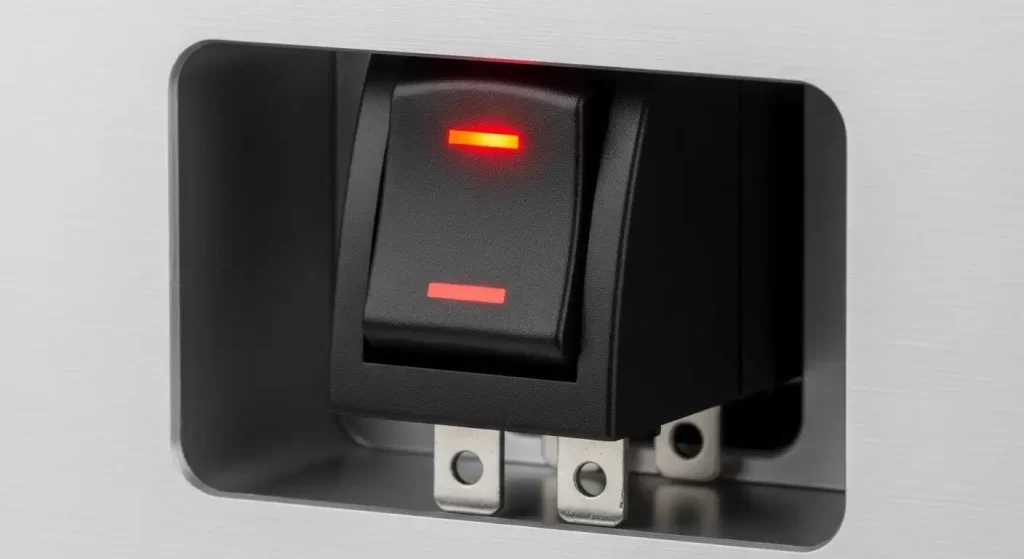
A 12V Rocker Switch is a compact, panel-mount control used across automotive, marine, RV, and industrial projects. In 2026, the fundamentals have not changed, but buyers expect clearer data: current rating (amps), circuit function (poles and throws), environmental protection (IP ratings), and practical build factors like terminals, illumination, and panel fit.
This guide explains each spec in plain language, so beginners can make confident decisions without guesswork. You will learn how amps relate to real loads, what SPST or DPDT actually do, and why IP67 can save you time and money in the field.
Don't Guess from AC: Use the 12V DC Amp Rating
Amp ratings reflect continuous current capacity at 12V DC. Common 12V rocker switch ratings include 5A, 10A, 15A, and 20A. These numbers matter because DC arcs are harder to extinguish than AC arcs, so DC ratings are often lower than AC ratings for similar hardware.
Choose the amp rating based on the steady current of your load and its startup behavior. LED lights draw a small, stable current. Fans and pumps can draw 2 - 3 times more current at startup. A 10A switch may be fine for a 4A LED bar, but a 15A or 20A switch is safer for a small pump with 6 - 8A surge. Keep ambient temperature in mind; contacts may need derating at higher temperatures, especially above 60°C inside tight enclosures.
Fuse selection and wiring are part of the same safety story. Many installers apply the 80% rule: size continuous current to 80% of the switch rating for better longevity. Pair the switch with the right wire gauge and a fuse upstream. For many 12V circuits:
• 5 - 10A loads often use 16 - 18 AWG copper conductors
• 10 - 15A loads often use 14 - 16 AWG
• 15 - 20A loads often use 12 - 14 AWG
Poles, Throws, and Circuit Functions Explained
When you read 12V Rocker Switch datasheets, you will see terms like SPST or DPDT. Defines circuit count and selectable positions within the switch.
• SPST: One circuit, ON or OFF - simple and reliable.
• SPDT: One circuit, two outputs; available as ON - ON or ON - OFF - ON. Great for source or mode selection.
• DPDT: Two circuits move together - ideal when you must switch both power rails at once. Common for reversing polarity on DC motors (e.g., UP/DOWN or IN/OUT), or splitting power rails.
You will also see "maintained" versus "momentary." Maintained means it stays in position (typical ON-OFF). Momentary springs back when released, often used for horn or starter functions. Look for clear legends (ON/OFF) or icons, and decide if you need illumination. Illuminated rockers can show status at a glance, which reduces user error.
IP Ratings and Durability for Field Use
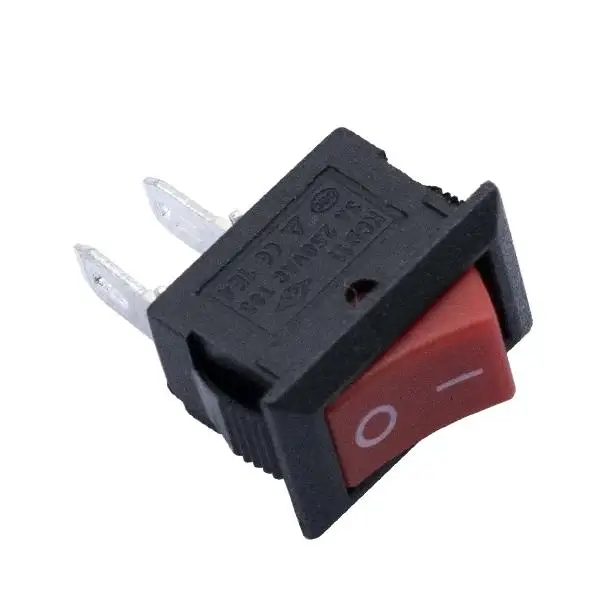
An IP rating describes protection against dust and water, and it matters when you install a 12V Rocker Switch in a boat dash, off-road vehicle, or outdoor panel. These are the most common ratings:
• IP65: Dust tight and protected against low-pressure water jets. Good for splash zones.
• IP67: Dust tight and protected against immersion up to 1 meter for 30 minutes. Ideal for marine spray or exposed vehicle panels.
• IP68: Dust tight and protected against long-term immersion (depth and duration per manufacturer). Used in harsh and submerged environments.
Beyond water and dust, durability is about contact life and materials. Many quality 12V Rocker Switches list mechanical life in the tens of thousands of cycles, often 50,000 or more, with electrical life lower when switching near maximum current. Look for flame-retardant housings, firm detents you can feel, and silver alloy contacts for better arc resistance. Operating temperature ranges of roughly −20°C to +85°C are typical for automotive-grade switches. If your panel faces vibration, choose locking tabs or a threaded bezel to keep the switch secure.
Practical Wiring, Terminals, and Panel Fit
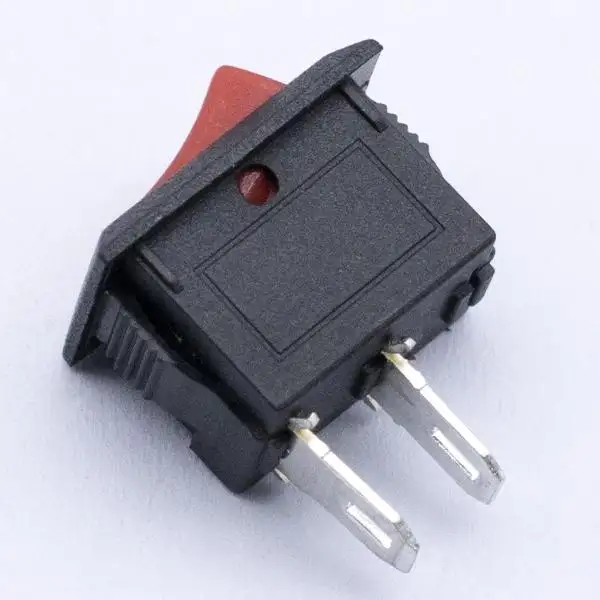
The best spec sheet is useless if the switch does not fit the panel or work with your connectors. Most 12V Rocker Switch designs use quick-connect spade terminals. Common sizes are 6.3 mm (0.250 in) and 4.8 mm (0.187 in). These accept standard crimp connectors, which speed installation and service. Screw terminals are less common but helpful for fixed wiring in industrial cabinets.
Panel cutouts vary by series. Miniature 12V Rocker Switches often require cutouts around 19 × 13 mm. Full-size automotive styles can be closer to 30 × 22 mm. Check the datasheet and measure the panel thickness. Clips or friction tabs need the correct thickness to lock. Use heat-shrink on crimped terminals to improve strain relief and protect against moisture.
Illuminated 12V Rocker Switch parts include an LED or neon lamp. For 12V DC, a built-in LED usually draws a small current, often under 20 mA. Polarity matters for LEDs. Many switches provide separate lamp terminals; others tie the lamp to the load side so it lights only when the circuit is ON. Decide which behavior you want before wiring. If you use the switch to drive a relay coil, remember the coil can induce voltage spikes; a diode across the coil improves contact life and protects sensitive electronics.
Smart Buying in 2026: The Right 12V Rocker Switch
• Know the load: LED bar, fan, pump, relay coil, or motor - document continuous draw and inrush.
• Pick the function: SPST for ON-OFF, SPDT/DPDT for selection or polarity reverse.
• Trust DC numbers: Use the 12V DC amp rating; AC values aren't a substitute.
• Set protection level: IP65 for splash, IP67 for brief immersion, IP68 for harsh duty.
• Make it fit: Match terminals, spade width, your panel thickness, and the cutout size.
• Keep it safe: Use the right fuse, the right wire, and add a relay when the load is heavy.
• See the status: Lighting helps users and speeds up troubleshooting.
A well-spec'd 12V Rocker Switch can improve reliability, reduce field service, and give your panel a professional look. Do not overspec without reason, but avoid underspec that shortens life or risks overheating. If your application is borderline on current, use the switch to control a relay and let the relay handle the heavy load. This approach keeps the rocker cool and extends contact life.
Call to Action: Build Your Panel With Confidence
Ready to spec the right 12V Rocker Switch for your next build? Get our free 2026 selection checklist and talk to our applications team for a fast, no-pressure consultation. We will help you translate amps, poles, and IP ratings into a clear bill of materials, so your project ships on time and works the first time.
