





Sealed Tact Switches: What They Are & Why They’re Used
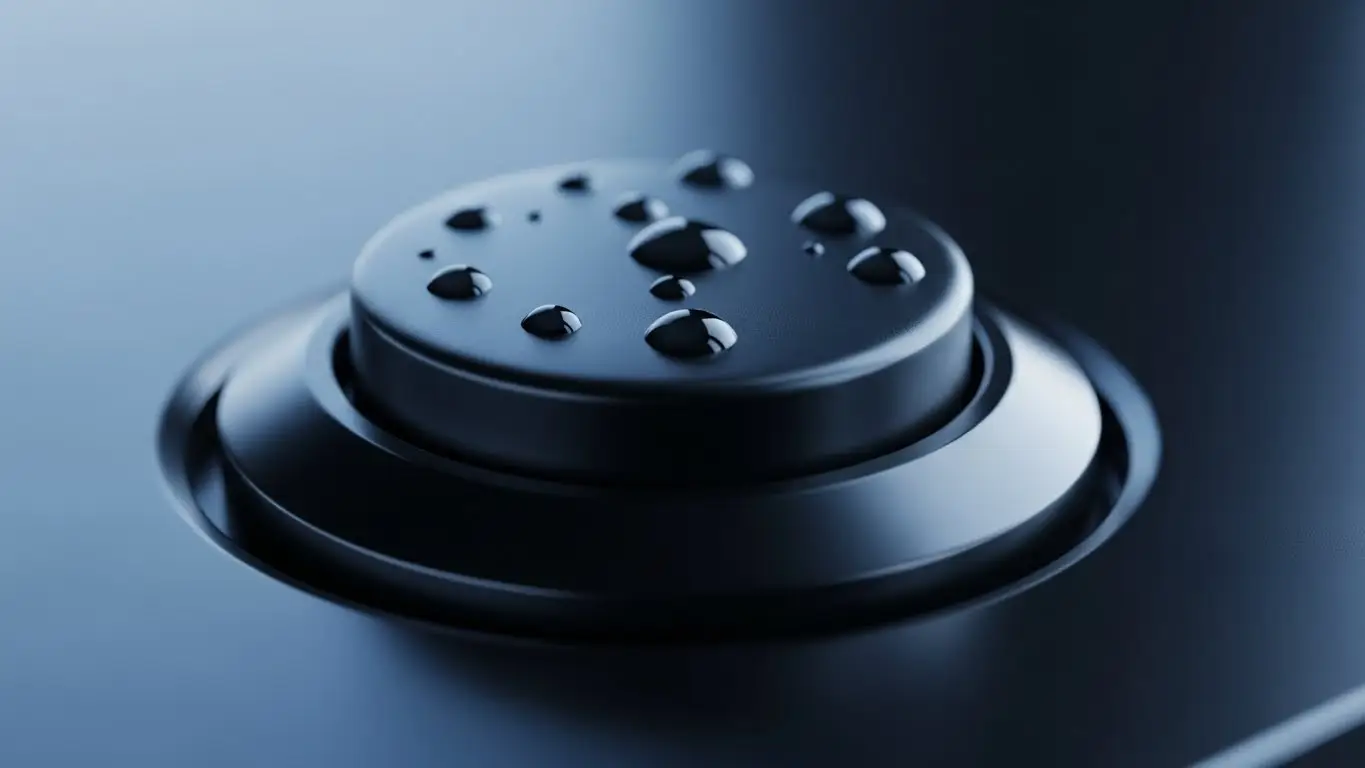
Sealed tact switches are momentary electromechanical buttons engineered with protective barriers—typically rated IP67 or higher—to prevent the ingress of dust, moisture, and chemical contaminants. They are critical for ensuring component longevity and signal integrity in harsh environments, such as automotive dashboards, outdoor instrumentation, and medical devices.
What exactly is a sealed tact switch?
At its core, a tact (tactile) switch is an on/off electronic switch that is only active when the button is pressed. However, a sealed tact switch adds a crucial layer of protection.
While a standard switch exposes the metal contact dome to air, a sealed variant encapsulates the internal mechanism. This is achieved using a specialized membrane or a laser-welded seal that prevents environmental factors from corroding the contacts.
Sealed Tactile Switch: A momentary switch featuring a specialized enclosure (usually silicone or adhesive tape) that meets IEC 60529 standards for ingress protection, ensuring the internal contact dome remains isolated from liquids, dust, and soldering flux.
If you are new to the basic mechanics of these components, you should first read our guide on what is a tact switch to understand the foundational technology.
Why are sealed switches used instead of standard ones?
The primary reason engineers specify sealed switches is reliability in unpredictable environments. Standard open switches are susceptible to "contact bounce" or total failure when exposed to oxidation or debris.
The "Phantom Actuation" Risk
In our internal testing at HX Switch, we observed that unsealed switches in high-humidity environments (above 85% RH) often develop a thin layer of oxidation on the silver plating within 6 months. This leads to increased contact resistance and "phantom" signal failures, where the switch is pressed but no signal is registered. Sealed switches effectively eliminate this failure mode.
Core Benefits
- Process Compatibility: They can withstand the harsh conditions of automated wave soldering and high-pressure washing processes during PCB assembly.
- Oxidation Resistance: The seal prevents sulfur and oxygen from tarnishing silver contacts.
- Tactile Consistency: The seal helps maintain the "crisp" click feeling (actuation force) over the switch's lifecycle by keeping debris out of the dome mechanism.
How do IP ratings impact sealed switch performance?
When sourcing these components, you will mostly encounter IP (Ingress Protection) ratings. It is vital to distinguish between "water-resistant" and "waterproof."
According to the 2025 IEC Standards Documentation, the two most relevant ratings for tact switches are:
| IP Rating | Dust Protection | Liquid Protection | Typical Application |
| IP60 - IP64 | Dust Tight | Splash/Spray Resistant | Indoor Consumer Electronics |
| IP67 | Dust Tight | Immersion up to 1m (30 mins) | Wearables, Medical Devices |
| IP68 | Dust Tight | Continuous Immersion | Marine Equipment, Heavy Industry |
Expert Note: Most "sealed" tact switches aim for IP67. This is the industry "sweet spot" that allows for PCB washing and outdoor rain exposure without the high cost of IP68 diving-grade certification.
Where are sealed tact switches actually used?
You interact with these switches daily without realizing it. Because of their durability, they are the standard for any interface that might get dirty or wet.
1. Automotive Interfaces
Modern EVs utilize sealed switches in door handles and center consoles. A 2024 Automotive Haptics Report noted a 15% increase in sealed switch adoption over capacitive touch sensors, citing the driver's need for physical feedback without risking failure from spilled coffee or rain.
2. Medical Devices
Equipment used in hospitals must be sanitized frequently. HX Switch components used in medical environments are designed to withstand wiping with isopropyl alcohol and other harsh sterilization agents, which would destroy a standard unsealed switch.
3. Wearable Technology
Smartwatches and fitness trackers rely on miniature sealed switches (often low-profile) to manage sweat and shower exposure.
How do I select the right sealed switch?
Choosing the right switch goes beyond just checking if it is waterproof. You must consider the haptics and the assembly process.
Step-by-Step Selection Guide:
- Define the Environment: Does the device need to survive rain (IP67) or just humid air?
- Determine Actuation Force: Sealed switches can sometimes feel "mushier" due to the rubber seal. Ensure you select a force (e.g., 160gf or 260gf) that still provides a sharp click.
- Check the Lifecycle: Look for testing data that guarantees performance after the seal has been stressed. A high-quality sealed switch should offer 100,000 to 1 million cycles.
- Review Assembly Constraints: For deep insights on mounting styles and footprint compatibility, refer to our analysis on tact dip switch fundamentals.
Frequently Asked Questions (FAQ)
What is the difference between a sealed and unsealed tact switch?
The main difference is the internal construction. A sealed tact switch includes a protective membrane (film or silicone) that seals the contact dome from the outside environment, achieving an IP67 rating. Unsealed switches are open to the air and are susceptible to dust and corrosion.
Can I wash PCBs with sealed tact switches?
Yes. One of the primary advantages of HX Switch sealed units is that they are process-sealed. This allows the PCB to undergo automated washing to remove flux residue without water or solvents penetrating the switch housing.
Do sealed switches last longer?
Generally, yes. While the mechanical fatigue limit of the metal dome might be similar, the electrical life of a sealed switch is superior because the contacts are protected from contamination, oxidation, and silver migration.
Are sealed tact switches more expensive?
Yes, they typically cost 20-30% more than standard switches due to the extra materials (seals) and manufacturing complexity (laser welding or adhesive application). However, this cost is offset by lower field failure rates.
About the Author
Content curated by the HX Switch Engineering Team. With over a decade of experience in electromechanical component manufacturing, we specialize in high-reliability switching solutions for industrial and consumer applications.
