







Product Specification
Product Description
Application Field
Why Choose Us
Product Description
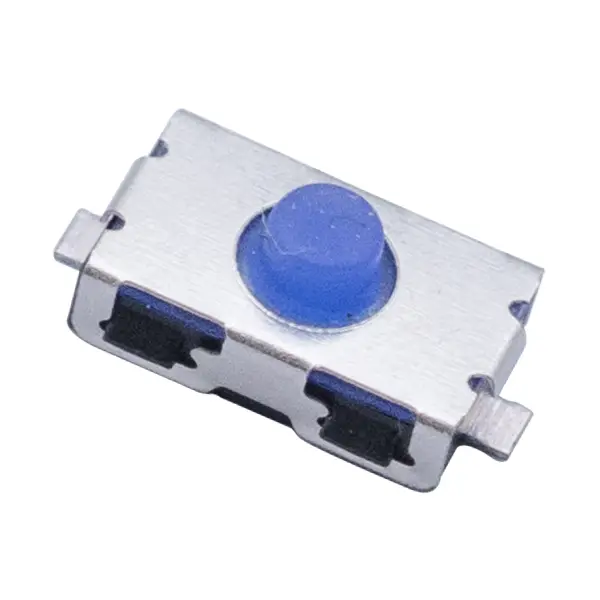
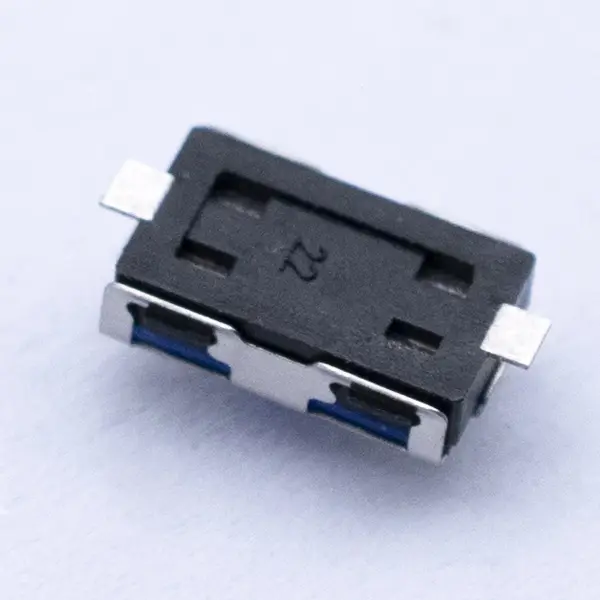
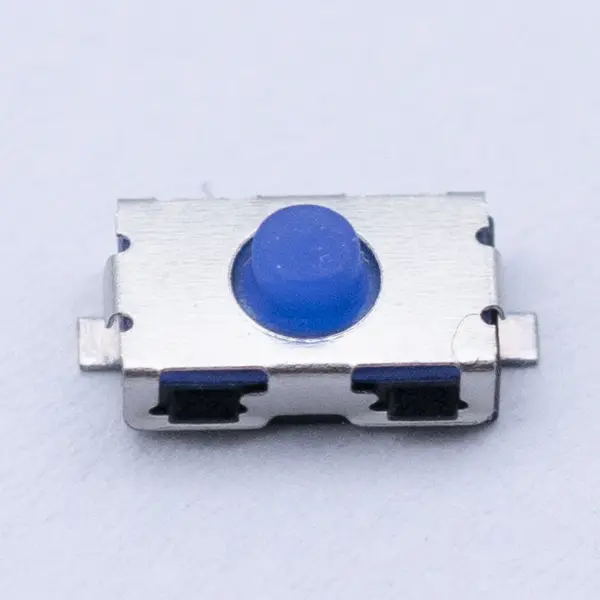
A compact, high-reliability push button switch designed for computer mice and other handheld peripherals requiring silent actuation. The noise-free mechanism delivers soft tactile feedback with minimal acoustic output, making it ideal for office, library, and shared workspaces. Optimized for low-voltage digital circuits and long service life.
Key Features
- Near-silent actuation without audible “click”
- Smooth, light tactile feedback to reduce finger fatigue
- Long mechanical life for intensive use
- Low contact resistance and fast bounce time for precise signal integrity
- Compact footprint compatible with standard mouse switch layouts
- Available in multiple actuation force options
- RoHS and REACH compliant materials
Typical Applications
- Left/Right mouse buttons
- Middle button and auxiliary mouse buttons
- Trackballs, handheld scanners, wearable input devices
- Quiet consumer electronics, office peripherals
Technical Specifications
- Circuit: SPST-NO (Normally Open)
- Rating (resistive load): up to 30 VDC, 0.1 A max; typical mouse use: 5 VDC, <10 mA
- Contact resistance: ≤100 mΩ (initial), ≤300 mΩ (after life test)
- Insulation resistance: ≥100 MΩ at 500 VDC
- Dielectric strength: 500 VAC, 1 minute
- Bounce time: ≤3 ms
Mechanical
- Actuation force options: 35 gf, 45 gf, 65 gf (±15%)
- Pre-travel: 0.15–0.30 mm
- Total travel: 0.3–0.6 mm
- Tactile feel: soft, damped feedback (noise-reduced mechanism)
- Mechanical life: up to 10–50 million cycles (variant dependent)
- Operating mode: momentary, non-latching
- Actuator: low-profile plunger, compatible with standard mouse button geometry
Environmental
- Operating temperature: −20°C to +70°C (standard); extended options on request
- Storage temperature: −30°C to +80°C
- Humidity: 5–95% RH, non-condensing
- Vibration: 10–55 Hz, 1.5 mm amplitude, no malfunction
- Shock: 100 m/s² (10 g), 6 ms, no malfunction
- ESD robustness: typical ±8 kV air, ±4 kV contact (system dependent)
- Protection: IP40 (open-frame), higher ratings available with enclosure
Materials
- Housing: PA66 or POM, flame-retardant grade
- Contacts: silver alloy or gold-plated for low-level switching
- Terminals: copper alloy, tin plating
- Internal spring/dome: stainless steel with elastomeric damper for noise reduction
Mechanical Dimensions
- Body: approx. 12.8 × 5.8 × 6.2 mm (L × W × H)
- Terminal style: through-hole, 3-pin configuration
- Pin pitch: 5.08 mm (typical)
- Mounting: PCB through-hole; SMD variant available upon request
Reliability and Testing
- Mechanical endurance tested to rated cycles under standard load and temperature
- Electrical endurance at specified voltage/current
- Contact bounce characterization for digital signal integrity
- Thermal shock and humidity exposure
- Drop and vibration tests for portable device integration
Compliance
- RoHS compliant
- REACH compliant
- Halogen-free options available
Customization Options
- Actuation force tuning (35/45/65 gf or custom)
- Contact plating (silver or gold) based on signal level
- Terminal type (THT or SMD, straight or bent leads)
- Actuator height and shape adjustments for enclosure fit
- Acoustic profile optimization for specific housing designs
Packaging and Storage
- Packaging: bulk trays or tape-and-reel (SMD variants)
- Storage: keep in original packaging, dry environment, avoid prolonged exposure to high humidity or dust
- Shelf life: 24 months sealed, standard conditions
Integration Guidelines
- Mount on rigid PCB to maintain consistent actuation geometry
- Align actuator with mouse button post; ensure no side-load
- Use debounce in firmware if required by system timing
- Avoid flux ingress; if washing is necessary, confirm washability variant
