





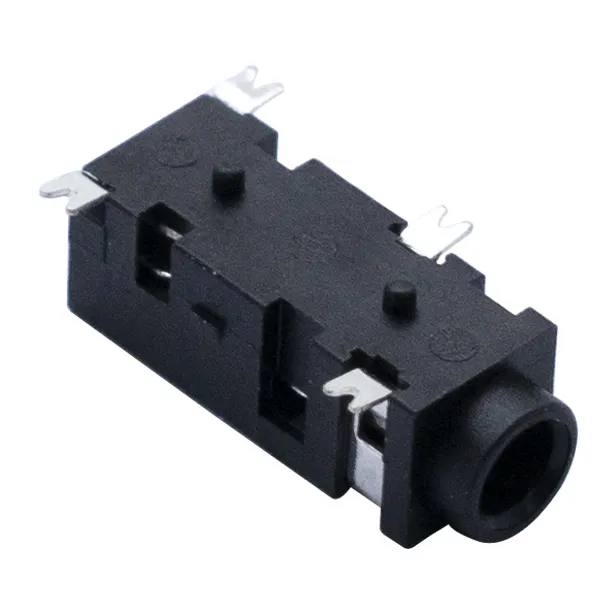
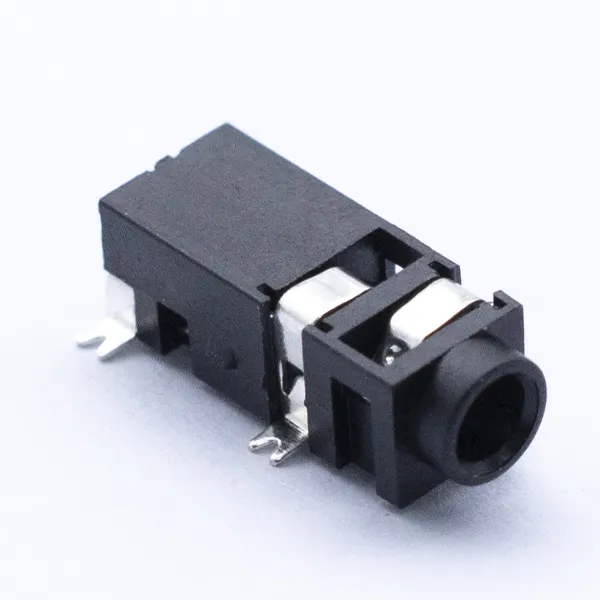


Product Description
This mono 1/4 inch panel‑mount jack delivers the feel and durability musicians expect in stage and studio hardware. A metal threaded bushing with nut and washer gives solid mechanical retention on panels, pedal enclosures, and amplifier chassis, while high‑spring‑force contacts maintain low resistance and clean signal transfer over thousands of insertions. Configure it as a simple TS jack or choose integrated switching (normally‑closed tip and/or sleeve) to auto‑mute internal speakers, reroute signals, or battery‑disconnect in instrument circuits. Available with solder lugs for hand‑wiring, or PCB pins for compact, repeatable assembly in pedals and rack gear. Insulated (plastic) or grounded bushings let you manage chassis grounding and avoid hum loops. Built with high‑temperature, UL94V‑0 materials and plated contacts for reliable performance in demanding musical environments.
Key features:
- 6.35 mm (1/4 in) mono TS phone jack; firm, smooth insertion feel
- Panel‑mount with threaded bushing and nut; fits common instrument/pedal cutouts
- Optional internal switching (tip and/or sleeve, normally closed) for jack‑detect, speaker mute, or routing
- Bushing styles: grounded metal or insulated (isolated) for flexible grounding schemes
- Terminations: solder lugs, PCB right‑angle/vertical pins, or fast‑on tabs
- Hardware included: hex nut, dress nut, flat and star washers (per variant)
- Contact materials/plating tuned for low noise and long life; RoHS/REACH compliant
- Designed for high mating life and resistance to vibration on stage
Typical specifications (verify per selected part/datasheet):
- Interface: 6.35 mm mono (TS) phone jack
- Electrical rating (signal level): up to 0.5–1.0 A, 24–125 V AC/DC (derate for application)
- Contact resistance: ≤30–50 mΩ initial
- Insulation resistance: ≥100 MΩ at 100 VDC
- Dielectric withstand: 500 VAC, 1 minute
- Mating life: 5,000–10,000 insertion/withdrawal cycles
- Insertion/withdrawal force: tuned for secure retention; 2–10 N typical
- Operating temperature: −20 to +85 °C
- Panel mounting:
- Thread: 3/8‑32 UNEF (common); M9 variants available
- Panel thickness: 1.0–4.0 mm typical (select bushing length to suit)
- Materials:
- Contacts: phosphor bronze or beryllium copper, Ni underplate with Sn or Au selectively
- Bushing/nut: nickel‑plated brass or stainless steel (metal versions)
- Housing: PBT/PA66/LCP, UL94V‑0
- Soldering: hand solder, wave/selective; PCB versions compatible with lead‑free reflow (check profile)
Applications:
- Electric guitars and basses (output jacks), acoustic‑electric instruments
- Effects pedals and pedalboards
- Guitar/bass amplifiers, practice amps (headphone or line out)
- Keyboards, synthesizers, drum machines, samplers
- Mixers, rack effects, DI boxes, and patch panels
- DIY builds, service replacements, boutique audio gear
Customization options:
- Switching: tip and/or sleeve normally‑closed contacts; no‑switch version
- Bushing: metal grounded vs insulated/isolated; standard/long bushing lengths
- Termination: solder lugs, PCB right‑angle/vertical, 2.8/4.8 mm quick‑connect tabs
- Contact plating: tin, selective gold, hard gold thickness options
- Hardware: hex vs round dress nut, washer types, black‑nickel or chrome finish
- Keying/anti‑rotation: D‑flat bushing, panel index tab
- Packaging: bulk, tray, or tape‑and‑reel (PCB variants)
Design notes:
- For instrument outputs, wire tip = signal (hot), sleeve = ground; keep leads short and twisted to reduce hum
- Use insulated bushings to break chassis ground when needed to avoid ground loops
- For auto‑mute or speaker disconnect, use a tip‑switch version and route the internal signal through the N.C. contact
- If switching battery power in active instruments, consider a stereo (TRS) jack using the ring to switch the battery return
- Add star washers and torque the nut appropriately to resist loosening under vibration; consider threadlocker if serviceable
- Not intended for high‑power speaker outputs unless using a dedicated high‑current speaker jack variant; verify ratings for load
