





Signs Your On Off Micro Switch Needs Replacement Soon
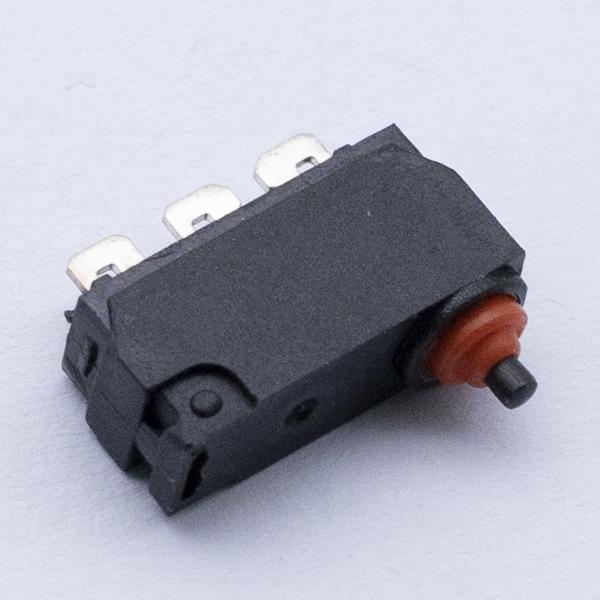
An On Off Micro Switch is a small, snap-action electrical switch that toggles a circuit on or off with precise, low-travel actuation. Used in appliances, electronics, and industrial controls, it delivers reliable, repeatable switching and long life, often with sealed, waterproof options. The On Off Micro Switch rarely fails without a warning. Small hints appear first. A stiffer click. A delayed response. A light flicker when you toggle. These signs look harmless, yet they point to deeper wear inside the switch. Miss them and you face downtime, returns, and unhappy users. Catch them early and your device stays reliable and safe. What are the red flags to watch, and when should you replace the switch instead of trying to fix it again? Keep reading - the next few minutes could save your product launch.
Spot The Signals Early
Small deviations often announce a big problem. A reliable On Off Micro Switch has a consistent feel and a clean electrical profile. When that changes - even slightly - user experience slips, service tickets increase, and hidden costs rise. Production teams tell us that their pain point is not catastrophic failure; it's the slow drift that causes intermittent faults, product returns, and hard-to-trace bugs.
- Early Symptoms You Should Not Ignore:
• Inconsistent actuation: the device only toggles after repeated presses or triggers at a different travel point.
• Heavier press required: a stiffer click suggests wear in the spring or actuator dome.
• Contact bounce or jitter: micro-interruptions create flicker, pops, or logic errors in low-power circuits.
• Rising contact resistance: oxidation or contamination pushes resistance toward unsafe territory.
• Environment-driven misfires: moisture or dust ingress leads to sticky behavior or delayed response.
- Hidden Causes Behind These Symptoms
Short qualification tests do not always capture how switches age on the job. Over time, low-current arcing, particulate ingress, and mechanical fatigue reshape the tactile curve and the electrical signature of an On Off Micro Switch. Unsealed housings absorb humidity. Plastic creep shifts alignment. Underspecified parts run too close to their limits. The result is a switch that still "works," but only if pressed harder, longer, or from a very specific angle - until it stops working altogether.
Replace Or Repair? Practical Field Tests
Chasing intermittent faults burns time and budget. Proactive replacement often costs less than repeated service calls, especially in outdoor devices and appliances. Watch your logs: if you see rising activation retries, higher return rates, or warranty claims tied to power cycling, the switch is a likely culprit. The total cost of "almost fine" can exceed a scheduled swap.
- Simple Thresholds Your Team Can Verify
You do not need a full lab to make smart decisions. A few quick checks will guide your call:
• Contact resistance: Healthy switches stay comfortably low (≤ 100 mΩ is a practical target). If resistance drifts upward, expect heat, bounce, and noise.
• Insulation resistance: Keep it high (> 100 MΩ) to avoid leakage in humid or dusty conditions.
• Operating force: Compare current force against your build standard; a move away from 250 ± 50 g signals tactile wear or internal deformation.
• Low-load behavior: Validate reliable switching at DC 12 V / 50 mA. Weak contacts fail here first, long before they collapse at higher loads.
If two or more of these markers degrade, replacement is the rational choice. It locks in consistent user feel and prevents minor symptoms from becoming major costs.
❓ Why Waterproofing Changes The Equation?
Many failures begin with moisture and contamination. A sealed, waterproof On Off Micro Switch blocks splashes, dust, and cleaning agents. That prevents conductive films on contacts, reduces oxidation, and stabilizes the tactile response across seasons. In practical terms, sealing buys margin: steadier performance, fewer callbacks, and predictable life in kitchens, gardens, clinics, and factory floors.

Choose A Waterproof Replacement With Confidence
At Hanxia, we design waterproof switches for electronics that combine long-lasting reliability, precise actuation, and compact geometry to save precious board space. Sealed construction and robust materials keep performance stable indoors and outdoors, while low power consumption supports battery life and thermal targets. Broad compatibility helps engineers standardize across platforms without compromising the click that end users expect.
✅ What To Look For In The Datasheet
- Electrical baseline: match or exceed DC 12 V / 50 mA capability; maintain low contact resistance (≤ 100 mΩ) and high insulation (> 100 MΩ) to protect signal integrity.
- Actuation profile: keep force near 250 ± 50 g for a crisp, repeatable feel that signals quality to the end user.
- Sealed construction: choose waterproof designs to block moisture and dust, stabilizing long-term performance.
- Form factor & efficiency: compact footprints preserve layout flexibility; low power supports battery-driven products.
- Lifecycle assurance: favor suppliers who validate under temperature swings, vibration, and chemical exposure typical of your use case.
✅ Where A Waterproof On Off Micro Switch Excels
Our customers deploy Hanxia switches wherever reliability meets the elements:
- Consumer electronics: kitchen gadgets, personal care devices, and outdoor speakers that face splashes and routine cleaning.
- Outdoor devices: garden lighting, security systems, and solar equipment working through rain, dust, and UV.
- Industrial electronics: factory automation and control panels exposed to particles and frequent washdowns.
- Medical devices: cleanable interfaces that must endure moisture without compromising safety or hygiene.
✅ Implementation Tips From The Field
To get the most from a waterproof On Off Micro Switch, consider these integration practices:
- Gasketed mounting: align panel seals and avoid over-tightening to prevent housing distortion.
- Controlled actuation geometry: use a consistent lever or cam profile to preserve the designed force curve.
- Debounce in firmware: even reliable contacts benefit from a short, well-tuned debounce window.
- Service checkpoints: add a simple end-of-line force and resistance check to catch early drift before shipping.
Why Teams Choose Hanxia
Manufacturers choose Hanxia because we combine precision tooling with application-level support. Our engineering team helps match the On Off Micro Switch to your electrical load, travel, and tactile target, then validates performance under your real environment - moisture, dust, vibration, and cleaning agents. The result is fewer surprises in the field and a smoother user experience.
Call To Action: Noticing hesitant clicks, intermittent toggling, or rising resistance? Don't wait for a warranty spike. Talk to Hanxia's engineers about a waterproof On Off Micro Switch that fits your envelope, load, and feel. We'll help you verify specs, streamline design-in, and protect user trust - before small symptoms become big costs.
