





Common Compatibility Errors with Android Headphone Jack Connector
Android Headphone Jack Connector problems seem small. Yet they break calls, mute mics, and cut music. Your phone says the headset is connected, but the sound is wrong. One channel fades. The plug feels firm, but nothing works. You clean the port. It helps for a moment. Then the issue returns. Is the adapter to blame? Or the wiring standard? Maybe the housing is a fraction too deep. These tiny details decide pass or fail. This article distills what goes wrong, how to design for reliability, and where Hanxia's manufacturing practice helps brands cut returns and improve audio quality.
Where Compatibility Breaks Down
Most compatibility errors start with standards confusion. Headsets and devices do not always agree on wiring or pole configuration. A TRS plug expects just left/right audio; a TRRS plug adds a microphone ring. Within TRRS, CTIA and OMTP swap mic and ground. Move one ring and you get silence on calls or a missing channel. Many users blame software, but the Android Headphone Jack Connector is often the real bottleneck.
Mechanical stackup is the next culprit. Tolerance stacking across PCB height, frame thickness, and the jack's own housing can push the contact zone a fraction of a millimeter off target. The result: the plug "clicks," yet one spring never lands cleanly on the intended ring. If plating is thin or uneven, contact resistance rises under load. That extra resistance does not sound like a number on a datasheet - it sounds like hiss, pops, and a weak mic.
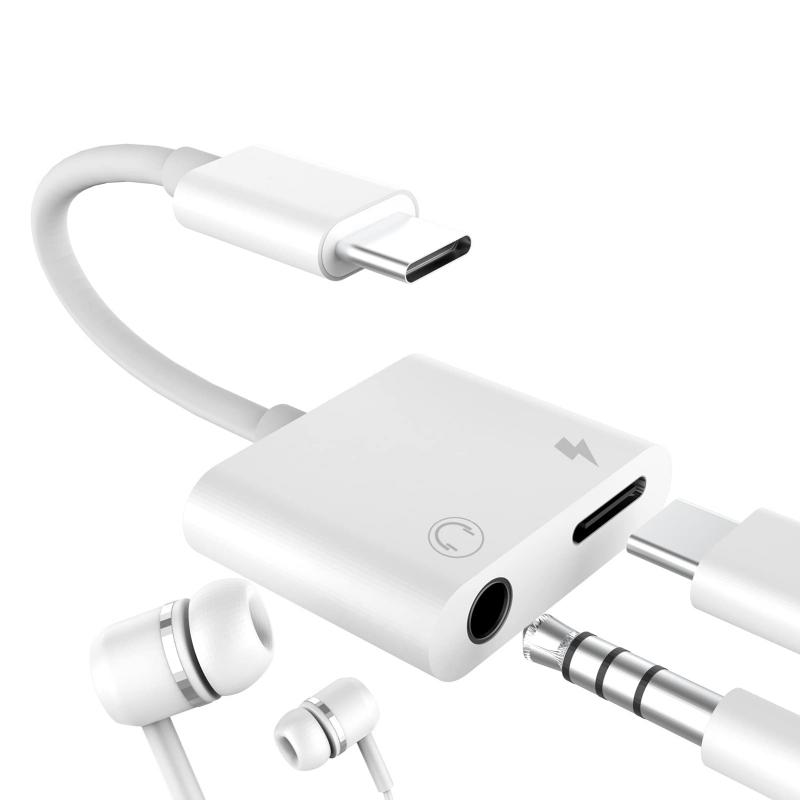
Environment plays a role, too. Pockets add lint; commutes add humidity. Both contaminate contacts and raise resistance. We routinely see returned units that "magically" work after a careful clean, proving that contamination, not codecs, caused the failure. As USB-C adoption expands, passive adapters add more variation. Some devices support analog audio passthrough; others depend on digital conversion. Without clear compatibility, even a premium headset can fail on a modern phone.
- Telltale Symptoms In The Field
• Intermittent audio or one-sided playback after moving the cable
• Microphone detection without any voice capture
• Static or popping during calls or recordings
• Full insertion feels shallow, or the plug rotates loosely

Hanxia's Engineering Approach To A Reliable One
Hanxia treats the Android Headphone Jack Connector as a precision component, not a commodity. The design aim is simple: predictable contact, low noise, and strong environmental resilience - delivered in a compact form factor that integrates cleanly into slim devices.
✅ What We Optimize In Manufacturing
- Miniaturized geometry that fits compact phones and accessories without compromising spring force.
- Durability under repeated insertions, engineered for everyday wear instead of lab-only performance.
- Advanced contact materials and plating stacks that hold low resistance over time.
- Environmental adaptability to resist dust and moisture from real-world use.
- Straightforward integration with standard Micro USB - interface devices in mixed-port ecosystems.
❓ Why Our Benchmarks Matter?
- Current and voltage: Rated for 0.5 A at 12 V, the socket supports accessory detection and stable signaling without overheating or drift.
- Contact resistance: Held to ≤ 50 mΩ, reducing hiss, dropouts, and mic instability.
- Insulation resistance: ≥ 100 MΩ at 500 V DC, limiting leakage and crosstalk in tight enclosures.
- Dielectric strength: 500 V AC for 1 minute, adding headroom for handling and ESD events.
- Durability: 5,000 insertion cycles, reflecting years of daily plugging and unplugging.
Numbers alone do not guarantee compatibility, but they set the stage. Low resistance preserves signal integrity. High insulation keeps the microphone bias clean. Proper dielectric strength helps during static discharge. And a compact, rigid housing helps OEMs control stackup so the plug seats perfectly - even behind a sculpted bezel.
✅ Practical Integration Tips (OEMs & Product Teams)
- Standardize on CTIA for TRRS, and validate with a diverse headset pool.
- Measure jack-to-bezel depth and verify full seating across tolerance extremes.
- Choose robust plating (e.g., gold on critical contacts) with proven wear data.
- Design for debris mitigation: gentle chamfers, dust paths, and user-friendly cleaning guidance.
- Qualify adapters early if targeting USB-C devices; confirm true analog passthrough where required.
From Pain Point To Product Value
The conversation about the Android Headphone Jack Connector often stops at "Does it work?" It should go further: "Does it keep working in the messy real world?" When a launch market reports "works in Lab A, fails in Country B," we audit the entire chain - headsets, cases, adapters, user habits, humidity profiles. Many fixes are small: a firmer spring, a better plating recipe, a slightly revised housing counterbore. Others are educational: explain CTIA vs. OMTP, certify recommended adapters, publish practical cleaning guidance.
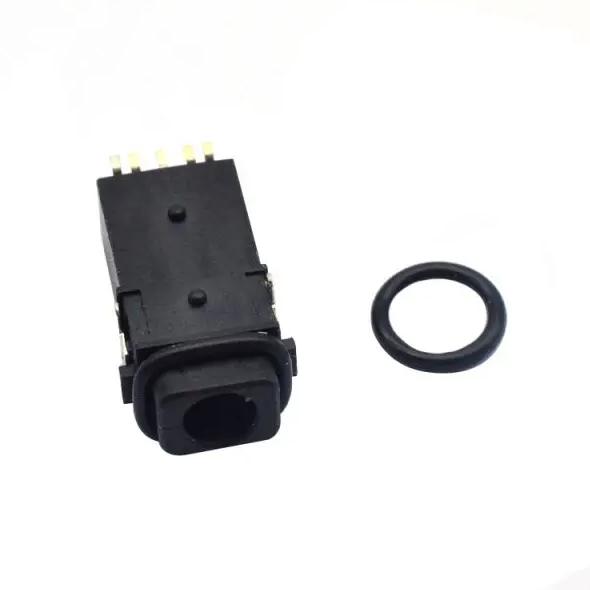
Hanxia's headphone socket - our phone jack adapter - embeds these lessons. It is compact, consistent, and tuned for stable audio transmission across phones, tablets, and portable recorders. The geometry supports slim boards and molded frames without sacrificing insertion feel. For brands straddling legacy analog and modern digital ports, the connector integrates smoothly with standard Micro USB - interface devices, simplifying mechanical and electrical design while preserving audio quality.
In the field, this translates into fewer returns and clearer calls. Support teams spend less time chasing "software bugs" that are really contact issues. Retailers see fewer exchanges for "dead jacks." Creators get predictable mic input on the go. For consumers, music and voice simply sound right - no fiddling with the plug angle to find the sweet spot.
✅ Typical Use Cases We See Deliver Strong Outcomes
- Connecting headsets to mobile devices for reliable calls and playback
- Linking smartphones to car stereos or home audio without noise
- Recording with external microphones in mobile journalism and content creation
- Adapting pro audio gear to phones in rehearsal spaces and classrooms
- Everyday multimedia and communication with consistent mic performance
Your Next Step: Turn The Jack Into An Advantage
Compatibility errors do not have to be an unavoidable cost. With thoughtful standards choices, disciplined stackup control, and a connector built for field realities, brands can transform the Android Headphone Jack Connector from a support headache into a product strength. Hanxia's engineering team can review your design, provide reliability samples, and help qualify accessories and adapters before mass production.
Call to Action: If launch timelines or return rates are at risk, bring Hanxia into your design loop. Contact us for a quick DFM review and sample evaluation. Together we'll harden your audio path, reduce variability, and turn a simple port into a reliable, differentiating feature.
